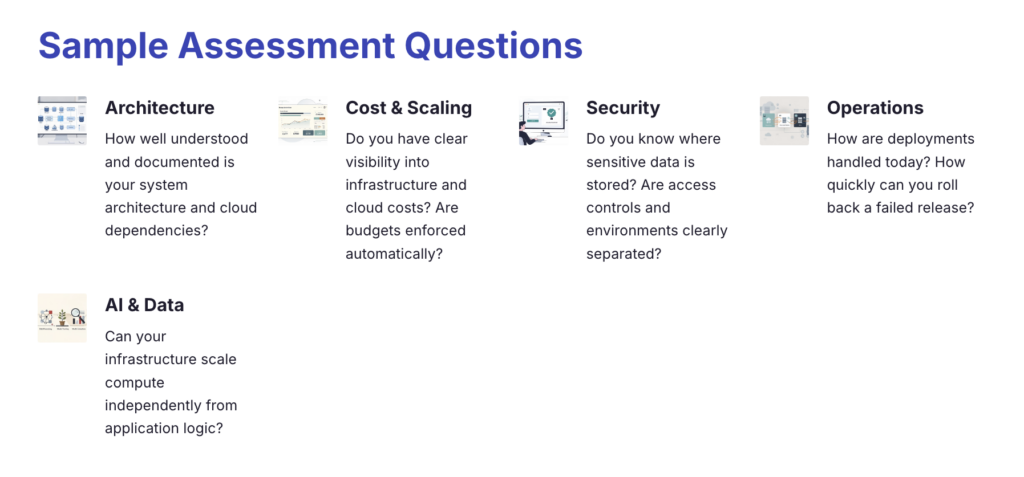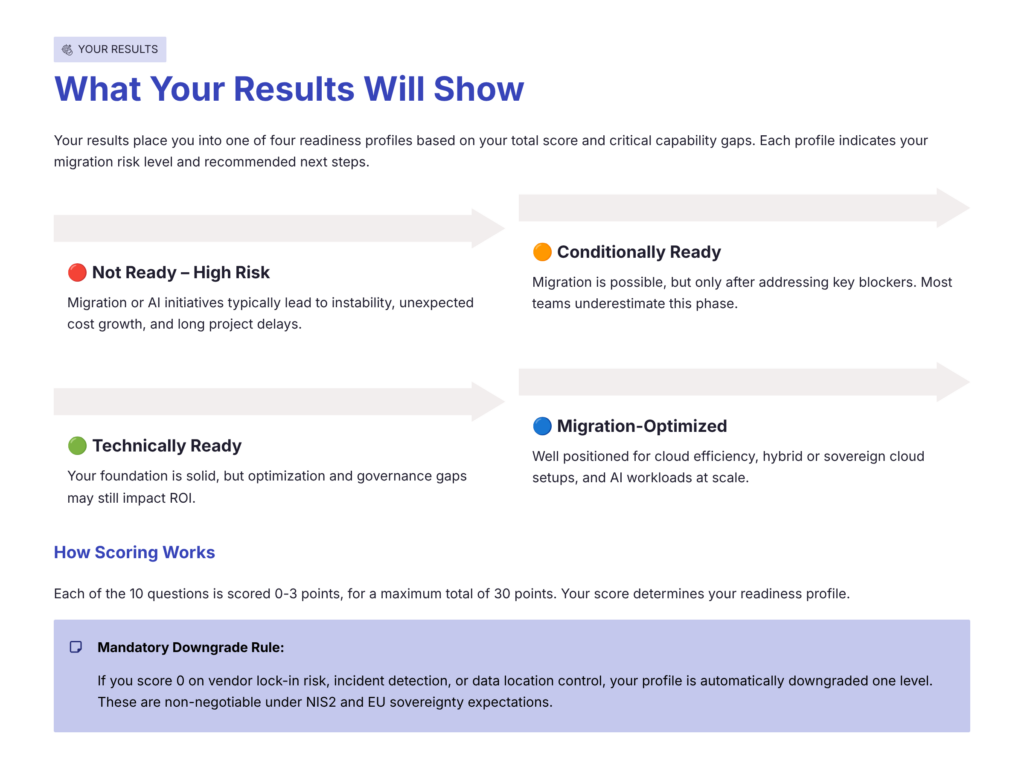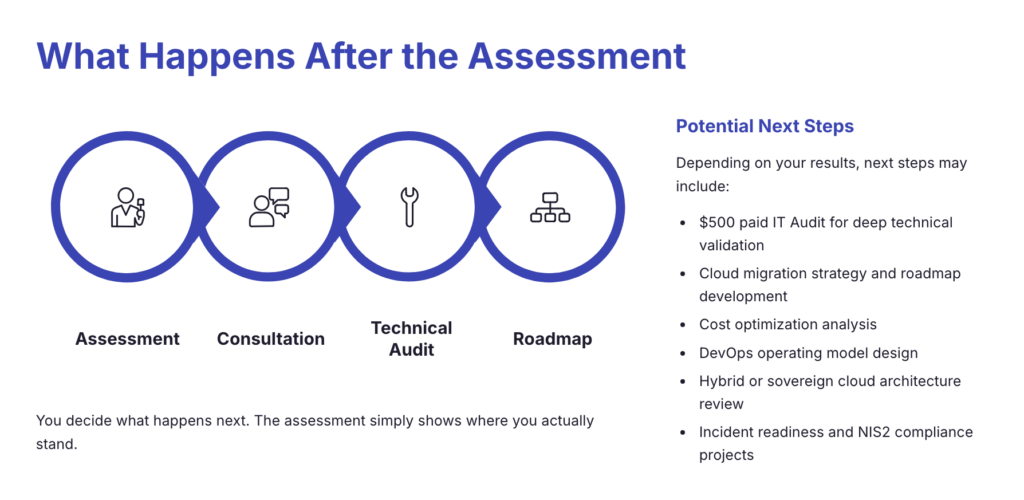
Cloud transformation isn’t just a tech trend — it’s become the strategic core of modern business success. Whether you’re running a fast-growing SaaS company, a healthcare platform, or an eCommerce business, the ability to adapt, scale, and innovate in the cloud is now essential. But making the move to the cloud isn’t just about technology — it’s about finding the right partner. The cloud transformation partner you choose can directly affect your business agility, operational costs, and speed to market.
With dozens of options in the market — from global consultancies to agile boutique firms — it’s crucial to choose a partner that not only understands your tech stack but also aligns with your growth goals, budget, and culture. In this guide, we’ll explore the best cloud transformation companies in 2026, featuring specialized boutique firms like Gart Solutions, global providers like Accenture, and versatile specialists like Simform and ClearScale.
The Cloud Transformation Market in 2026: What the Data Shows
Cloud adoption has moved from "strategic initiative" to baseline expectation. According to Synergy Research Group, global cloud infrastructure spending exceeded $300 billion in 2025 and continues to accelerate — driven by AI workloads, data sovereignty requirements, and pressure to reduce operational overhead.
Key signals shaping the vendor landscape right now:
Multi-cloud is the norm, not the exception. Over 87% of enterprises now run workloads on more than one cloud provider, creating demand for partners with cross-platform expertise.
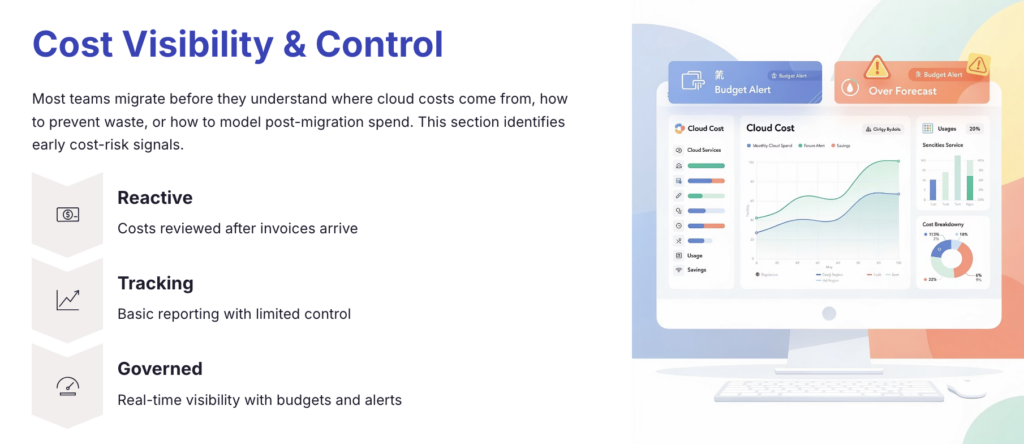
FinOps has become a buying criterion. The FinOps Foundation reports that cloud waste accounts for 28–35% of total cloud spend at organizations without active cost governance. Buyers now require vendors to demonstrate cost optimization credentials before signing.
Platform engineering is reshaping delivery. Internal developer platforms (IDPs) — championed by PlatformEngineering.org — are becoming the delivery model that progressive cloud partners build on top of.
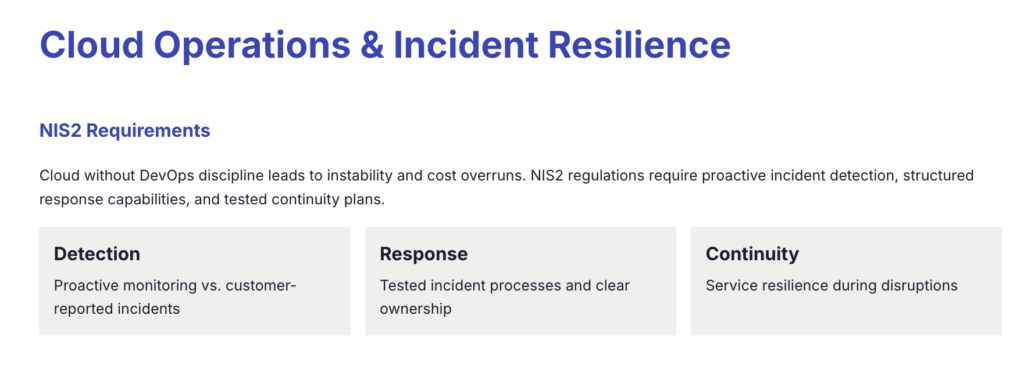
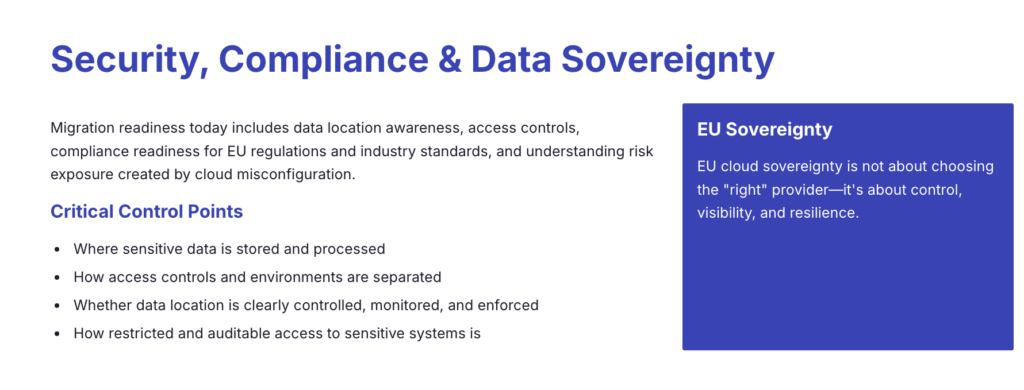
Compliance complexity is increasing. GDPR, NIS2, and sector-specific frameworks (HIPAA, PCI-DSS) mean that regulated industries need transformation partners who understand both the engineering and the governance layer.
Open-source cloud standards are maturing. Projects under the Cloud Native Computing Foundation (CNCF) — Kubernetes, Prometheus, OpenTelemetry — are now table stakes, not differentiators. Any serious vendor should be fluent in these.
According to Gartner, over 92% of enterprises now have a multi-cloud strategy, while 78% of SMBs have moved at least one workload to the cloud. As demand rises, more companies, especially SaaS providers and tech startups — are looking for hands-on partners that offer cloud-native development, DevOps enablement, and cost optimization at scale.
What this means practically: the market has bifurcated. On one side, large consultancies offer governance, multi-geography delivery, and vendor relationships. On the other, specialized boutique firms offer depth, speed, and genuine hands-on execution. Most cloud transformation companies in 2026 occupy one of those two positions — and the right choice depends heavily on where your organization sits today.
What’s driving the market?
Multi-cloud adoption: Businesses are no longer tied to a single cloud. They want flexibility across AWS, Azure, and Google Cloud.
Cost optimization: As inflation and cloud bills rise, companies are laser-focused on optimizing infrastructure spend.
Automation & DevOps: Migration is just step one. Companies need continuous delivery, infrastructure-as-code (IaC), and CI/CD pipelines.
Regulatory pressures: Healthcare, fintech, and SaaS firms must ensure data privacy, compliance, and secure configurations.
These trends highlight the growing need for cloud transformation partners that don’t just lift-and-shift, but deeply embed into the client’s ecosystem to modernize operations end-to-end.
What Cloud Transformation Actually Involves
Before evaluating vendors, it helps to understand what a complete cloud transformation engagement covers. "Migration" is only one phase. A genuine transformation typically progresses through five stages:
PhaseWhat HappensCommon DeliverablesTypical Duration1. Discovery & AssessmentAudit current infrastructure, dependencies, costs, and security postureArchitecture map, TCO analysis, risk register2–4 weeks2. Strategy & RoadmapDefine target architecture, cloud provider selection, migration sequencingCloud strategy document, vendor selection, roadmap2–3 weeks3. Foundation & Landing ZoneSet up networking, IAM, security baselines, IaC scaffoldingVPC/VNet setup, Terraform modules, CI/CD baseline3–6 weeks4. Migration & ModernizationMove workloads; refactor where lift-and-shift is insufficientMigrated applications, containerized services, data pipelines4–16 weeks (varies by scope)5. Optimize & OperateCost governance, observability, SRE practices, continuous improvementFinOps dashboards, alerting, runbooks, SLA definitionsOngoingWhat Cloud Transformation Actually Involves (The Framework)
A vendor who only delivers phases 3–4 is a migration firm. A partner who spans all five — with verifiable outcomes at each stage — is a true cloud transformation company. Keep that distinction in mind as you read the profiles below.
What to Look for in a Cloud Transformation Partner
Choosing the right partner is more than just reviewing certifications. Here are the traits that separate good cloud consultants from great ones:
Cloud-native expertise: Look for firms that build with IaC, automate deployments, and know DevOps inside out.
Scalability: Can they handle your current workload and support your future scale-up plan?
Engagement flexibility: SMBs need agile billing and custom engagement models.
Use-case alignment: Have they worked with companies like yours? SaaS vs. eCommerce vs. healthcare makes a difference.
Cost transparency: Cloud spend can balloon without governance. Look for partners who specialize in cost optimization.
That’s why we’ve divided this list into three tiers: Boutique SMB-friendly firms, Mid-sized scalable providers, and Enterprise consultancies.
Boutique & SMB/SaaS-Friendly Cloud Transformation Partners
If you’re a startup or SMB, you need a partner who can move fast, go deep, and work alongside your internal teams. These firms are laser-focused on building cloud-native architectures, integrating DevOps pipelines, and reducing your infrastructure spend with clever cloud-native tricks.
Let’s break down some of the top contenders in this category.
Gart Solutions: A Specialized Cloud Transformation Partner
When it comes to flexible, deeply technical, and outcome-driven cloud transformation for SMBs, Gart Solutions stands at the top. Known for working closely with SaaS companies and tech startups, Gart brings boutique agility with enterprise-grade execution.
Their offerings span across:
Cloud Computing Services: Tailored architecture, platform modernization, and multicloud deployments.
Cloud Migration Services: Secure, fast migrations with minimal downtime.
Digital Transformation Consulting: Strategic planning, process optimization, and long-term roadmap alignment.
Here’s what Fedir Kompaniiets, CEO of Gart Solutions, had to say:
"Cloud transformation should never be a one-size-fits-all approach. Our mission is to make cloud work for each client’s unique business model — from cost-saving Azure Spot VMs to full-stack SaaS monitoring."
This philosophy is reflected in their success stories:
Jewelry AI Vision: Gart reduced infrastructure costs by 81% using Azure Spot VMs, showcasing their cloud-native optimization skills.
Healthcare Infrastructure Optimization: A case that proves their strength in regulated industries.
B2C SaaS Music Platform: Centralized monitoring and logging delivered proactive performance insights.
With a hands-on approach, Gart Solutions is a go-to choice for tech teams that want results without the fluff.
IT Svit
IT Svit is a well-known AWS Select Partner that brings a full lifecycle of cloud transformation services tailored for startups and small to mid-sized businesses. With expertise in DevOps, cloud architecture, and managed services, they’ve carved out a reputation for being a reliable partner for companies that want to modernize infrastructure without overcomplicating the process.
Their strength lies in end-to-end delivery. From the initial cloud assessment to post-migration monitoring and automation, IT Svit ensures that businesses can stay focused on product development while the platform scales reliably in the background.
Key highlights:
Full-stack AWS migration services
24/7 infrastructure monitoring
CI/CD automation and IaC implementation
Kubernetes-based cloud-native deployments
Where they really shine is with fast-paced teams that want zero downtime, scalable DevOps pipelines, and cost predictability. Like Gart Solutions, they focus on practical implementation rather than bloated presentations.
They’re especially useful for businesses building on AWS that need strong post-migration support, automated infrastructure, and a transparent delivery model.
Simform
Simform stands out by blending cloud transformation with software engineering excellence, offering clients both technical uplift and delivery momentum. Focused heavily on DevOps, CI/CD automation, and cloud-native applications, Simform helps teams make the leap from monoliths to microservices with speed and clarity.
Their cloud transformation model includes:
Cloud readiness assessments
Application containerization & microservices development
DevOps pipeline integration
Multi-cloud support across AWS, Azure, GCP
For mid-market SaaS companies scaling their platform or shifting toward product modernization, Simform provides not just cloud infrastructure, but also the development muscle to rebuild, refactor, and evolve applications on the go.
They’ve proven particularly effective at helping engineering teams deploy resilient, scalable platforms that leverage container orchestration, serverless backends, and performance monitoring.
Edvantis
Edvantis is another strong pick for SMEs and scaling tech companies looking to modernize without overwhelming internal teams. Their cloud transformation services are often bundled with digital acceleration, helping clients not only migrate, but also evolve how they operate in the cloud.
Notable strengths:
Migration planning for legacy systems
DevOps-as-a-Service
Custom dashboards for cost monitoring
Cloud-native application delivery
Edvantis brings a balanced mix of consulting + delivery, which makes them ideal for organizations that need strategic input as well as hands-on execution. They also offer flexible team extension models, allowing companies to bring in specialists on-demand.
Their cloud adoption strategies often include process digitization, helping businesses go beyond lift-and-shift and instead rethink how they deliver products and services on modern platforms.
Innowise
Innowise is known for its versatility in cloud transformation projects. Whether you’re building a new SaaS product or migrating a monolith to Kubernetes, Innowise offers end-to-end services that make technical change seamless.
With global delivery teams and strong experience in:
SaaS product modernization
Cloud-native architecture
Application migration
Azure, AWS, and GCP deployment
Their approach includes detailed assessments, application refactoring where needed, and full CI/CD integration. Innowise also places a strong emphasis on automated testing, which reduces deployment risks and helps maintain software reliability during migrations.
They are a preferred partner for mid-sized tech companies looking to migrate entire platforms, especially in industries like eLearning, healthcare, and fintech.
ClearScale
When it comes to AWS-only cloud transformation, ClearScale is a top-tier choice. An AWS Premier Consulting Partner, ClearScale focuses on startup and SaaS tech stacks, helping companies modernize quickly using AWS-native tools and services.
ClearScale offers:
SaaS platform modernization
DevOps, CI/CD, and monitoring setup
Security & compliance-focused deployments
Their specialization in AWS tooling means clients get faster outcomes using services like AWS Lambda, ECS, CloudFormation, and more. Startups benefit from their startup accelerators, where teams can go from design to deployment in weeks.
Mid-Sized Cloud Transformation Specialists
If you’re past the early startup stage and are growing fast, you need partners who can help scale across multiple clouds, manage complex integrations, and keep compliance in check. Here are some strong options:
N-iX: Full-spectrum services for mid-market tech firms with modern DevOps and cloud-native development capabilities.
Trigent Software: Great for companies seeking fast AWS/Azure migration with minimal service disruption.
Eleks: Blends design, development, and cloud ops for growing SaaS platforms.
Computools: Cloud strategy and modernization with a product-focused approach.
Mission Cloud: AWS-native provider focused on automation, optimization, and compliance for growing firms.
These providers are best when you need to scale infrastructure, implement multi-cloud governance, and reduce tech debt while continuing to ship new features.
Larger or Broader Cloud Transformation Consultancies
Need enterprise-grade governance, support for hybrid cloud, or global compliance? These companies deliver:
Accenture: Global powerhouse for strategic digital transformation, cloud factory models, and deep enterprise integrations.
Capgemini: Great for hybrid and multi-cloud strategy across regulated industries.
Rackspace Technology: Managed cloud with robust operations support and security.
Cloudreach: Modern deployments with automation across AWS, Azure, and Google Cloud.
DoiT International: Startup to mid-size focused, strong on cost optimization and automation.
Slalom: Agile transformation with strong regional teams for mid-sized enterprise rollouts.
These consultancies are best suited if your cloud journey involves multiple departments, legacy IT, or needs to integrate with on-prem systems.
Top Cloud Transformation Companies by Focus & Strengths
VendorCategoryKey StrengthsBest ForGart SolutionsBoutique / SMB-FriendlyCloud migration, DevOps/CI-CD, cost optimization, monitoringSaaS startups, SMBs, regulated industriesIT SvitBoutique / SMB-FriendlyAWS Select Partner, DevOps, full lifecycle cloud transformationSmall tech teams on AWSHire UkraineBoutique / SMB-FriendlyCost-efficient DevOps, fast delivery, IaC automationAgile startups with tight budgetsSimformBoutique / SMB-FriendlyCloud-native, DevOps-first, microservices, automationMid-size SaaS and digital product teamsEdvantisBoutique / SMB-FriendlyDigital acceleration, legacy modernization, DevOps-as-a-ServiceSMEs, hybrid cloud adoptersInnowiseBoutique / SMB-FriendlySaaS platform migration, cloud-native development, testing automationTech companies in healthcare/fintechClearScaleBoutique / AWS SpecialistAWS Premier Partner, SaaS-focused, automation and CI/CDStartups and fast-growing tech firmsN-iXMid-Sized Scalable SpecialistFull-spectrum migration, DevOps, modernization, global deliveryScaling platforms across cloud environmentsTrigent SoftwareMid-Sized Scalable SpecialistAWS/Azure migrations, CI/CD integrationSeamless cloud integrationEleksMid-Sized Scalable SpecialistSaaS modernization, cloud consulting, global engineeringMid-market SaaS companiesComputoolsMid-Sized Scalable SpecialistProduct-centric cloud strategy, DevOps-enabled transformationSaaS, fintech, healthcareMission CloudMid-Sized Scalable SpecialistAWS automation, cost governance, DevOps enablementGrowth-stage tech companiesAccentureLarge ConsultancyEnterprise-grade strategy, cloud factory models, automation, global deliveryEnterprises with complex IT needsCapgeminiLarge ConsultancyMulti-cloud and hybrid transformation, governance, securityEnterprises with regulatory requirementsRackspace TechnologyLarge ConsultancyManaged cloud services, hybrid migration, security and operationsEnterprises with legacy workloadsCloudreachLarge ConsultancyGovernance, DevOps automation, multi-cloud deploymentsEnterprise-wide cloud adoptionDoiT InternationalLarge Consultancy (SMB-Focused)Cloud cost optimization, automation, Google Cloud & AWS expertiseSaaS, startups, budget-conscious teamsSlalomLarge ConsultancyAgile cloud transformation, regional delivery teams, data-driven strategyMid-sized enterprises in transformationTop Cloud Transformation Companies by Focus & Strengths
Choosing the Right Vendor: A Quick Guide
Business SizeBest Fit ProvidersFocus AreaSaaS StartupsGart Solutions, Hire Ukraine, IT SvitFast migration, DevOps automationSMBsSimform, Edvantis, InnowiseApp modernization, multi-cloudMid-marketN-iX, Eleks, Trigent SoftwareScaling, CI/CD pipelinesEnterpriseAccenture, Capgemini, CloudreachHybrid cloud, compliance
How to Choose the Right Cloud Transformation Partner: A Practical Framework
Vendor selection for cloud transformation is not primarily a technical decision — it's a fit decision. The most common mistake engineering leaders make is over-indexing on certification count and under-indexing on whether the vendor has solved your specific problem before.
Here's the decision framework we recommend:
Step 1: Define your transformation scope honestly
Are you doing a lift-and-shift migration (narrow scope, 4–12 weeks), a full cloud-native modernization (broad scope, 3–9 months), or something in between? Vendors optimized for one don't always excel at the other.
Step 2: Match company size to vendor tier
Organization ProfileBest Vendor TierRecommended First LookSaaS startup (under 50 engineers)BoutiqueGart Solutions, ClearScale, IT SvitSMB / scale-up (50–200 engineers)Boutique / Mid-SizedGart Solutions, Simform, Edvantis, InnowiseMid-market (200–1,000 employees)Mid-SizedN-iX, Eleks, Mission Cloud, ComputoolsEnterprise (1,000+ employees)EnterpriseAccenture, Capgemini, Rackspace, Slalom
Step 3: Run a 5-question vendor scorecard
Can they show a published case study where a company like ours achieved specific, measurable outcomes?
Do their engineers understand our primary cloud platform at a certified, hands-on level?
Do they have experience in our industry (healthcare, fintech, SaaS, etc.) with the relevant compliance requirements?
Can they demonstrate cloud cost optimization methodology — not just migration execution?
What does post-migration support look like? Is there an SRE/managed services layer or do they hand off and leave?
A vendor that can answer all five with specifics — names, numbers, and references — is in a different category from one that answers in generalities. That gap is usually the most predictive factor in transformation success.
If you're evaluating vendors for a digital transformation program specifically, the criteria above apply equally — but you should additionally assess the vendor's ability to align cloud architecture with business process change.
What Cloud Transformation Actually Costs (and How to Optimize)
One area the industry consistently under-explains is cost structure. Most organizations budget for migration fees but underestimate the total cost of transformation, which includes:
Vendor fees: Discovery, migration, landing zone build-out, ongoing optimization
Cloud provider costs: Often higher in the first 3–6 months during parallel running before cutover
Internal team time: Engineering hours for knowledge transfer, testing, and validation
Training and tooling: IaC tools, monitoring platforms, FinOps dashboards
Operational transition: Runbooks, on-call rotation updates, incident response procedures
The partners that deliver the best long-term ROI are those who engineer cost efficiency into the architecture from the start — not those who optimize later as an afterthought. Look for evidence of cloud cost optimization as a native capability, not an add-on service.
For context, teams that implement FinOps practices from the beginning of a transformation typically see 20–35% lower cloud spend in the first 12 months compared to those who optimize post-migration. That's a material budget difference at any scale.
Conclusion
As cloud transformation continues to redefine how businesses scale and compete, the right partner can make all the difference. Whether you’re a SaaS startup looking for lean DevOps-powered migration or a mid-market company planning for multi-cloud expansion, there’s a fit for your needs.
Gart Solutions stands out as a top boutique provider, combining technical depth, client focus, and proven results. Their hands-on approach and expertise in cloud strategy, DevOps, and cost savings make them an ideal partner for growth-oriented tech companies.
Need proof? Just explore their cloud services or dive into cases like their 81% cost savings in Azure or the centralized monitoring for a global music platform.
Choose smart. Choose strategically. Choose partners who build with you, not just for you.
A poorly planned cloud migration costs enterprises an average of $1.2 million in overruns alone. This guide gives CTOs, CIOs, and engineering leaders a battle-tested cloud migration strategy — from infrastructure assessment to post-migration FinOps — so you move fast, stay secure, and actually save money.
Building a robust cloud migration strategy is no longer optional — it is the defining infrastructure decision of this decade. As of 2026, cloud migration has become the mainstream operating model: 94% of enterprises use at least one cloud service, and the global cloud migration services market is valued at $31.5 billion, growing at a 22.4% CAGR. Yet despite this momentum, 38% of migration projects still exceed their original budget, and 31% miss their planned timelines.
The gap between success and failure almost always comes down to strategy — not technology. The cloud platforms themselves (AWS, Azure, GCP, OVHcloud, Hetzner) are mature and capable. What determines outcomes is how methodically you assess, plan, execute, and optimize your migration. This guide walks you through every phase.
94% of enterprises now use at least one cloud serviceSource: MarketsandMarkets 2026
38% of cloud migration projects exceed their original budgetSource: Medhacloud 2026
$31.5B cloud migration services market in 2026, growing at 22.4% CAGRSource: MarketsandMarkets
What Is a Cloud Migration Strategy?
A cloud migration strategy is a structured plan that defines what you move, where you move it, how you move it, and in what order — all mapped against your business objectives, security posture, compliance requirements, and budget. It bridges the gap between the decision to adopt cloud and the operational reality of running workloads there.
Without a strategy, organizations default to ad-hoc migration — moving whatever is easiest first, discovering incompatibilities mid-flight, and accumulating cloud debt they spend years unwinding. With a strategy, migration becomes a phased, measurable, reversible program of work that delivers business value at each stage
Why Your Cloud Migration Strategy Matters More Than Ever in 2026
Several forces are converging to make cloud migration strategy more consequential — and more complex — than at any previous point:
AI readiness is a forcing function
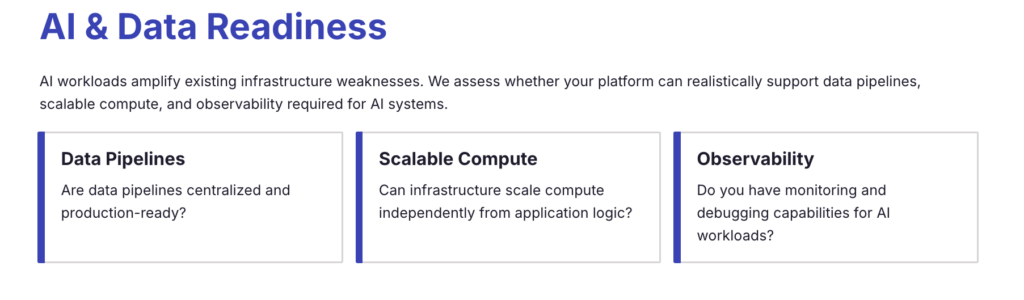
AI and machine learning compatibility now influences 39% of migration strategies, according to SQ Magazine's 2026 cloud adoption survey. Organizations that migrate without an AI-ready architecture are embedding technical debt from day one.
Cost pressure is intensifying
The average enterprise now allocates 29% of its IT budget to cloud infrastructure. Organizations implementing FinOps practices saw an average 19% cost reduction in 2025 — but only when FinOps was built into the migration strategy itself, not bolted on afterward.
Repatriation risk is real
25% of organizations have moved at least one workload back on-premises after cloud migration — primarily due to cost (54%) and performance (31%) issues. The majority of those organizations said better upfront cost optimization would have prevented the reversal.
Regulatory complexity is accelerating
GDPR, HIPAA, and emerging data sovereignty laws influenced cloud decisions for 31% of firms in 2025. A migration strategy that does not address data residency, compliance controls, and audit trails is a liability.
What is Cloud Migration Lifecycle?
The cloud migration lifecycle encompasses a series of phases, from assessment and planning to execution, monitoring, and optimization.
Common stages in the cloud migration lifecycle include:
1) Assessment and Discovery:
Assessing the existing IT landscape, identifying workloads and applications suitable for migration, and conducting a comprehensive analysis of dependencies, performance requirements, and compliance considerations.
2) Planning and Preparation:
Developing a detailed migration plan, defining migration strategies and priorities, estimating costs and resource requirements, and establishing governance and security frameworks to ensure a smooth migration process.
3) Migration Execution:
Executing the migration plan, including provisioning cloud resources, migrating data and applications, configuring networking and security policies, and validating functionality and performance in the cloud environment.
4) Post-Migration Testing and Validation:
Conducting thorough testing and validation to ensure that migrated workloads and applications meet performance, security, and compliance requirements in the cloud environment.
5) Optimization and Continuous Improvement:
Continuously monitoring and optimizing cloud resources, refining governance and security policies, and leveraging cloud-native services and automation tools to drive efficiency and innovation.
Here is a table outlining the steps involved in a cloud migration strategy
StepDescription1. Define ObjectivesClearly state the goals and reasons for migrating to the cloud.2. Assessment and InventoryAnalyze current IT infrastructure, applications, and data. Categorize based on suitability.3. Choose Cloud ModelDecide on public, private, or hybrid cloud deployment based on your needs.4. Select Migration ApproachDetermine the approach for each application (e.g., rehost, refactor, rearchitect).5. Estimate CostsCalculate migration and ongoing operation costs, including data transfer, storage, and compute.6. Security and ComplianceIdentify security requirements and ensure compliance with regulations.7. Data MigrationDevelop a plan for moving data, including cleansing, transformation, and validation.8. Application MigrationPlan and execute the migration of each application, considering dependencies and testing.9. Monitoring and OptimizationImplement cloud monitoring and optimize resources for cost-effectiveness.10. Training and Change ManagementTrain your team and prepare for organizational changes.11. Testing and ValidationConduct extensive testing and validation in the cloud environment.12. Deployment and Go-LiveDeploy applications, monitor, and transition users to the cloud services.13. Post-Migration ReviewReview the migration process for lessons learned and improvements.14. DocumentationMaintain documentation for configurations, security policies, and procedures.15. Governance and Cost ControlEstablish governance for cost control and resource management.16. Backup and Disaster RecoveryImplement backup and recovery strategies for data and applications.17. Continuous OptimizationContinuously review and optimize the cloud environment for efficiency.18. Scaling and GrowthPlan for future scalability and growth to accommodate evolving needs.19. Compliance and AuditingRegularly audit and ensure compliance with security and regulatory standards.20. Feedback and IterationGather feedback and make continuous improvements to your strategy.This table provides an overview of the key steps in a cloud migration strategy, which should be customized to fit the specific needs and goals of your organization.
Pre-migration preparation: analyzing your current IT landscape
Before your cloud migration journey begins, gaining a deep understanding of your current IT setup is crucial. This phase sets the stage for a successful migration by helping you make informed decisions about what, how, and where to migrate.
Assessing Your IT Infrastructure:
Inventory existing IT assets: List servers, storage, networking equipment, and data centers.
Identify migration candidates: Note their specs, dependencies, and usage rates.
Evaluate hardware condition: Decide if migration or cloud replacement is more cost-effective.
Consider lease expirations and legacy system support.
Application Assessment:
Catalog all applications: Custom-built and third-party.
Categorize by criticality: Identify mission-critical, business-critical, and non-critical apps.
Check cloud compatibility: Some may need modifications for optimal cloud performance.
Note dependencies, integrations, and data ties.
Data Inventory and Classification:
List all data assets: Databases, files, and unstructured data.
Classify data: Based on sensitivity, compliance, and business importance.
Set data retention policies: Avoid transferring unnecessary data to cut costs.
Implement encryption and data protection for sensitive data.
Based on assessments, categorize assets, apps, and data into:
Ready for Cloud: Suited for migration with minimal changes.
Needs Optimization: Benefit from pre-migration optimization.
Not Suitable for Cloud: Better kept on-premises due to limitations or costs.
These preparations ensure a smoother and cost-effective migration process.
Choose a cloud model
After understanding cloud deployment types, it's time to shape your strategy. Decide on the right deployment model:
Public Cloud: For scalability and accessibility, use providers like AWS, Azure, or Google Cloud.
Private Cloud: Ensure control and security for data privacy and compliance, either on-premises or with a dedicated provider.
Hybrid Cloud: Opt for flexibility and workload portability by combining on-premises, private, and public cloud resources.
Multi-Cloud: Multi-cloud refers to the use of multiple cloud providers to host different workloads and applications. Organizations adopt a multi-cloud strategy to mitigate vendor lock-in, enhance redundancy and fault tolerance, and optimize costs by leveraging the
Choose from major providers like AWS, Azure, Google Cloud, and others.
Read more: Choosing the Right Cloud Provider: How to Select the Perfect Fit for Your Business
Your choices impact migration success and outcomes, so assess needs, explore options, and consider long-term scalability when deciding. Your selected cloud model and provider shape your migration strategy execution and results.
Key cloud migration strategies
With your cloud model and provider(s) in place, the next critical step in your cloud migration strategy is to determine the appropriate migration approach for each application in your portfolio. Not all applications are the same, and selecting the right approach can significantly impact the success of your migration.
Here are the five common migration approaches and how to choose the appropriate one based on application characteristics:
Lift and Shift (Rehost)
Also known as rehosting, this is the simplest migration approach. Applications and workloads are moved to the cloud without modifications to their architecture. While cost-effective, it often requires post-migration optimization to harness the full benefits of the cloud. For example:
Rehosting involves moving an application to the cloud with minimal changes. It's typically the quickest and least disruptive migration approach. This approach is suitable for applications with low complexity, legacy systems, and tight timelines.
Cost Savings: Organizations pay only for what they use, reducing idle resources.
Time Efficiency: Applications can be migrated quickly, enabling businesses to explore cloud capabilities with minimal disruption.
When to Choose: Opt for rehosting when your application doesn't require significant changes or when you need a quick migration to take advantage of cloud infrastructure benefits.
Refactor (Lift Tinker and Shift)
Refactoring involves making significant changes to an application's architecture to optimize it for the cloud. This approach is suitable for applications that can benefit from cloud-native features and scalability, such as microservices or containerization.
When to Choose: Choose refactoring when you want to modernize your application, improve performance, and take full advantage of cloud-native capabilities.
Rearchitect (Rebuild)
Re-architecting involves rebuilding applications to exploit cloud-native features fully. It is ideal for:
Applications reliant on legacy technologies.
Organizations aiming for significant agility and innovation.
Handling data-intensive tasks through scalable hybrid cloud architectures.
Rearchitecting is a complete overhaul of an application, often involving a rewrite from scratch. This approach is suitable for applications that are outdated, monolithic, or require a fundamental transformation.
When to Choose: Opt for rearchitecting when your application is no longer viable in its current form, and you want to build a more scalable, resilient, and cost-effective solution in the cloud.
Replace or Repurchase (Drop and Shop)
Typically, solutions are implemented using the best available technology. SaaS applications may offer all needed functionality, allowing for future replacement and easing the transformation process.
Replatform (Lift, Tinker, and Shift)
This strategy involves making minimal changes to optimize the application for cloud environments. It enables organizations to:
Leverage managed services.
Scale resources dynamically, such as adjusting CPU throughput or reserving instances.
Discard legacy components while modernizing infrastructure.
Replatforming involves making minor adjustments to an application to make it compatible with the cloud environment. This approach is suitable for applications that need slight modifications to operate efficiently in the cloud.
When to Choose: Choose replatforming when your application is almost cloud-ready but requires a few tweaks to take full advantage of cloud capabilities.
Retire (Eliminate)
Retiring involves decommissioning or eliminating applications that are no longer needed. This approach helps streamline your portfolio and reduce unnecessary costs.
When to Choose: Opt for retirement when you have applications that are redundant, obsolete, or no longer serve a purpose in your organization.
Retain
To select the right migration approach for each application, follow these steps:
Assess each application's complexity, dependencies, and business criticality. Consider factors like performance, scalability, and regulatory requirements.
Ensure the chosen approach aligns with your overall migration goals, such as cost savings, improved performance, or innovation.
Assess the availability of skilled resources for each migration approach. Some approaches may require specialized expertise.
Conduct a cost-benefit analysis to evaluate the expected return on investment (ROI) for each migration approach.
Consider the risks associated with each approach, including potential disruptions to operations and data security.
Ready to harness the potential of the cloud? Let us take the complexity out of your migration journey, ensuring a smooth and successful transition.
Challenges in cloud migration
Despite its advantages, cloud migration comes with challenges:
Integration Complexity: Legacy systems often rely on proprietary formats, making seamless integration with cloud platforms challenging.
Data Security: Ensuring compliance with regional regulations and implementing robust encryption is critical.
Performance Optimization: Addressing latency, data transfer speeds, and workload distribution is essential for a successful migration.
For instance, businesses leveraging Platform as a Service (PaaS) benefit from streamlined operations but must manage compatibility issues with legacy systems.
Security and compliance in cloud migration
When you're thinking about moving to the cloud, security should be at the top of your mind. Think about it – you're dealing with massive amounts of data, and some of it might be pretty sensitive stuff. If something goes wrong and there's a security breach, it's not just about losing data – your organization's reputation could take a serious hit, and you might find yourself in hot water legally.
One of the biggest challenges is making sure only the right people can get their hands on your cloud resources. You definitely don't want unauthorized users poking around in there, as that's basically leaving the door open for data leaks and security nightmares.
And here's something you can't afford to overlook – compliance. Whether you're in healthcare dealing with HIPAA, handling credit card data under PCI DSS, or working with European customers under GDPR, there are some serious rules you need to follow. Skip these requirements, and you could be looking at hefty fines and legal troubles. Trust me, that's not a headache anyone wants to deal with.
Here's a short case study for HIPAA compliance - CI/CD Pipelines and Infrastructure for an E-Health Platform
Cloud migration success stories
When considering cloud migration, success stories often serve as beacons of inspiration and guidance. Here, we delve into three real-life case studies from Gart's portfolio, showcasing how our tailored cloud migration strategies led to remarkable outcomes for organizations of varying sizes and industries.
Case Study 1: Migration from On-Premise to AWS for a Financial Company
Industry: Finances
Our client, a major player in the payment industry, sought Gart's expertise for migrating their Visa Mastercard processing application from On-Premise to AWS, aiming for a "lift and shift" approach. This move, while complex, offered significant benefits.
Key Outcomes:
Cost Savings: AWS's pay-as-you-go model eliminated upfront investments, optimizing long-term costs.
Scalability and Flexibility: Elastic infrastructure allowed resource scaling, ensuring uninterrupted services during peak periods.
Enhanced Performance: AWS's global network reduced latency, improving user experience.
Security and Compliance: Robust security features and certifications ensured data protection and compliance.
Reliability: High availability design minimized downtime, promoting continuous operations.
Global Reach: AWS's global network facilitated expansion to new markets and regions.
Automated Backups and Disaster Recovery: Automated solutions ensured data protection and business continuity.
This migration empowered the financial company to optimize operations, reduce costs, and deliver enhanced services, setting the stage for future growth and scalability.
Case Study 2: Implementing Nomad Cluster for Massively Parallel Computing
Industry: e-Commerce
Our client, a software company specializing in Earth modeling, faced challenges in managing parallel processing on AWS instances. They sought a solution to separate software from infrastructure, support multi-tenancy, and enhance efficiency.
Key Outcomes:
Infrastructure Efficiency: Infrastructure-as-Code and containerization simplified management.
High-Performance Computing: HashiCorp Nomad orchestrates high-performance computing, addressing spot instance issues.
Vendor Flexibility: Avoided vendor lock-in with third-party integrations.
This implementation elevated infrastructure management, ensuring scalability and efficiency while preserving vendor flexibility
Future trends of cloud migration
The evolution of cloud computing will continue to redefine business strategies. Emerging trends include:
Green IT: Sustainable cloud solutions aim to balance scalability with energy efficiency.
AI Integration: Leveraging artificial intelligence in cloud platforms enhances automation and decision-making processes.
At Gart, we stand ready to help your organization embark on its cloud migration journey, no matter the scale or complexity. Your success story in the cloud awaits – contact us today to turn your vision into reality.
Fedir Kompaniiets
Co-founder & CEO, Gart Solutions · Cloud Architect & DevOps Consultant
Fedir is a technology enthusiast with over a decade of diverse industry experience. He co-founded Gart Solutions to address complex tech challenges related to Digital Transformation, helping businesses focus on what matters most — scaling. Fedir is committed to driving sustainable IT transformation, helping SMBs innovate, plan future growth, and navigate the "tech madness" through expert DevOps and Cloud managed services. Connect on LinkedIn.
Looking to move your infrastructure to AWS but not sure which consulting partner to trust? You’re not alone. With cloud adoption continuing to skyrocket in 2026, finding the right AWS migration consultant can mean the difference between a smooth transformation — and a budget-draining nightmare.
Whether you're migrating legacy applications, modernizing microservices, or scaling a SaaS platform, this guide breaks down the best AWS migration consultants out there today. We'll explore both global leaders and AWS-specialized partners.
Global Market Overview: AWS Migration Consulting in 2026
Let’s take a step back.
Why is AWS migration still such a hot topic? Because cloud isn’t just an IT trend anymore — it’s now the infrastructure backbone for everything from finance to gaming. AWS remains the dominant player in the cloud space, with over 30% of the global market share. And according to Gartner, over 70% of enterprises will have moved at least half of their workloads to public cloud by the end of 2026.
The surge in digital transformation means more businesses are leaving outdated on-prem systems behind. But as workloads get more complex and compliance becomes tighter, DIY migration is rarely the best option.
That’s where expert AWS consultants come in.
Migration partners don’t just “move your stuff to AWS” — the best ones:
Redesign your architecture for performance and cost
Automate deployments and infrastructure
Ensure scalability and reliability from day one
And guide you beyond migration with long-term support
But not all consultants are built the same. Some are massive, slow-moving firms. Others offer lightweight, agile services — ideal for SaaS platforms, startups, or digital-native businesses.
Let’s explore both groups.
AWS-Centric Partners & Specialized Providers
Gart Solutions
If you’re looking for strategic consulting and deep technical delivery, this is where Gart Solutions excels.
Gart is an AWS-centric consultancy founded by engineers. The team partners closely with clients to design tailored migration strategies, implement automation-heavy infrastructure, and deliver sustainable cost optimization well beyond the migration itself.
Key strengths:
Engineering-focused AWS migrations, with DevOps embedded at every step
CI/CD automation, Infrastructure as Code (IaC), and observability-first delivery
Post-migration cost governance, including FinOps best practices
Cloud-native architecture redesign, not lift-and-shift cloning
“Clients don’t just want cloud migration — they want measurable outcomes. That’s what we deliver.” — Fedir Kompaniiets, CEO, Gart Solutions
Proven impact through real-world case studies:
Migration from on-prem to AWS for a financial institution
Deployment of a Node.js & React application to AWS ECS
Centralized monitoring for a global SaaS music platform
With expertise spanning fintech, SaaS, media, and digital infrastructure, Gart combines startup agility with enterprise-grade reliability. Their approach aligns particularly well with:
Digital-native companies
DevOps-heavy teams
Fast-growing SaaS platforms
Product-led organizations seeking scalable, observable infrastructure
Gart Solutions stands out for its focus on outcomes, efficiency, and cloud-native thinking.
nClouds — DevOps & Modernization for Scalable AWS Adoption
nClouds is an AWS Premier Tier Services Partner and a leading name in DevOps-driven cloud consulting. Known for combining migration, modernization, and managed services, nClouds supports companies from startup to enterprise in designing scalable, resilient AWS environments.
Why they stand out:
AWS Migration, DevOps, and Data & Analytics Competency Partner
Expertise in EKS, ECS, Fargate, and Lambda architectures
Managed services offering full cloud lifecycle support
Case studies with major clients in healthcare, gaming, and logistics
nClouds is particularly strong in automation and modernization — ideal for organizations seeking to go cloud-native fast with CI/CD pipelines and microservices in play.
N-iX — Eastern European Engineering Powerhouse with AWS Expertise
N-iX is a multi-competency AWS Partner based in Ukraine and Poland with a growing global footprint. With over 2,000 engineers, they’ve helped businesses across fintech, retail, telecom, and automotive migrate and optimize AWS infrastructure.
Key differentiators:
AWS Advanced Consulting Partner with Migration, DevOps, and Data Analytics competencies
Deep pool of certified AWS architects, engineers, and DevOps pros
Strong presence in regulated industries like finance and healthcare
Emphasis on long-term partnerships and hybrid team integration
N-iX is ideal for mid-market and enterprise clients needing hands-on engineering teams at scale, especially for data-heavy workloads and custom software migration.
Caylent — Kubernetes-Native, DevOps-First AWS Migration Partner
Caylent is a cloud-native consulting firm and AWS Migration Competency Partner known for its modernization-first approach. They work with clients across healthtech, fintech, AI/ML, and SaaS, bringing a blend of consulting, hands-on engineering, and continuous delivery.
Highlights:
Experts in Kubernetes (EKS), serverless (Lambda), and GitOps
Offers a unique “Caylent Catalysts” model for accelerating cloud-native adoption
Named a Rising Star in the AWS Partner Network
Focus on continuous cloud innovation, not just one-time migrations
If your architecture depends heavily on containers, automation, or event-driven computing, Caylent is one of the best AWS partners in this space.
Future Processing — Agile AWS Delivery from Central Europe
Future Processing is a mid-size AWS implementation partner headquartered in Poland, known for delivering high-quality software and infrastructure solutions for global clients. Their AWS team focuses on cloud migrations, refactoring, and infrastructure automation.
Strengths:
Strong track record with SMBs and startups
Emphasis on agile collaboration, cost transparency, and custom cloud roadmaps
Use of Terraform, CloudFormation, and serverless tools
Services include migration, CI/CD implementation, and performance monitoring
Future Processing is an excellent fit for companies looking for a balance between price, flexibility, and cloud expertise, especially for product-led companies in Europe and North America.
Logicworks — Secure AWS Infrastructure for Regulated Workloads
Logicworks, now part of Cloudreach (an Atos company), is an AWS Premier Consulting Partner with a strong focus on security, governance, and compliance.
They specialize in highly-regulated sectors, including:
Healthcare (HIPAA)
Financial services (PCI-DSS, SOX)
Government
Why they matter:
Offers AWS Well-Architected Reviews and modernization services
Built-in compliance frameworks for AWS environments
Hybrid cloud integration and DR/BCP support
Logicworks is best for enterprises with strict governance needs and regulatory compliance demands — those that can’t afford mistakes in security or data handling.
10Pearls — Cloud + UX + AI for Smart AWS Modernization
10Pearls is a digital transformation company that combines AWS consulting with user experience, product development, and data science. Their AWS services focus on migration, modernization, AI/ML integration, and DevSecOps.
What makes them unique:
AWS Advanced Tier Partner with a strong product-centric mindset
Works across fintech, healthtech, and media
Known for combining UX strategy with infrastructure optimization
Cross-functional delivery teams covering cloud, AI, mobile, and security
10Pearls is ideal for companies that need a partner who understands the full product lifecycle — not just infrastructure, but how it connects to user experience, business logic, and scalable architecture.
Major Global & Enterprise-Scale AWS Migration Consultants
These firms are known worldwide for enterprise IT transformation. If you’re a multinational enterprise or large-scale government agency, you’ve likely crossed paths with one of them.
Accenture
A long-time leader in AWS migrations, Accenture offers everything from assessment to execution, modernization, and security compliance. Their partnership with AWS goes deep — they’re often tapped for Fortune 500 migrations and large-scale digital transformation projects.
Deloitte
Another global heavyweight, Deloitte brings a blend of business strategy and technical cloud expertise. Their AWS practice includes migration roadmaps, cloud-native re-architecting, and security-first compliance — especially useful for heavily regulated industries.
Cognizant
With migration services spanning across verticals, Cognizant focuses on cloud transformation with embedded governance. Their AWS services often include app modernization and cross-cloud integration.
Capgemini
Capgemini emphasizes digital agility and cloud-first solutions. Their AWS capabilities span across assessment, migration, cloud-native dev, and security. Strong choice for large firms entering hybrid cloud models.
Wipro
Through its Cloud Studio and AWS Migration tools, Wipro accelerates cloud adoption across industries. Their automation-first strategy is a good fit for clients seeking faster time-to-value.
These firms are well-established, but often come with higher cost, longer lead times, and a templated approach. That’s where specialized AWS partners offer an edge — especially for mid-market and digital-first companies.
Key Factors to Consider When Choosing an AWS Migration Consultant
Choosing an AWS migration partner isn’t just about credentials — it’s about alignment with your business needs, infrastructure goals, and growth plans.
Here’s what truly matters:
1. AWS Certifications and Partner Tiers
AWS categorizes its consulting partners by tiers and specializations. Look for:
AWS Advanced or Premier Partner status
Migration Competency certification
Experience with AWS MAP (Migration Acceleration Program)
2. Migration Planning vs Execution Balance
Some firms are all strategy, with minimal hands-on support. Others rush execution but skip detailed planning. The best consultants strike a balance.
Gart provides both — starting with cloud readiness assessments and tailored proposals, continuing through re-architecture and hands-on migration, and finishing with post-migration optimization.
3. Industry Case Studies
Migrating a gaming app isn’t the same as replatforming a bank. Look for consultants with case studies in your vertical, especially if compliance, scalability, or latency matter.
4. Post-Migration Services
Lift-and-shift migrations are dead. Real success happens after the move, through:
Cost optimization
Performance tuning
CI/CD and DevOps integrations
Observability setup
End-to-End AWS Migration Support by Gart
One of Gart’s strongest selling points is how comprehensive their AWS migration services are. It’s not just about moving workloads — it’s about making your cloud stack faster, smarter, and cheaper.
Here’s how their approach breaks down:
1. Cloud Readiness Assessment
Before any move, Gart evaluates your existing setup — technical debt, security, and business dependencies. They create a detailed, phase-based migration plan customized to your goals.👉 Explore: Cloud Migration Strategy Guide
2. Workload Prioritization
Not everything should move at once. Gart helps identify:
Quick wins (e.g., stateless services)
Critical apps needing high-availability
Legacy systems that need refactoring or containerization
3. Architecture Redesign
You don’t want to “copy-paste” old infrastructure into AWS. Gart re-architects for:
Scalability
Cost-efficiency
Reliability
Security
4. Migration Execution
Whether it’s database transfers, app containerization, or hybrid connectivity, Gart executes it with minimal downtime and rollback safety.
5. Post-Migration Optimization
Once live on AWS, the team focuses on:
Cloud cost governance
Observability setup (CloudWatch, Grafana)
Performance and incident monitoring
Practical Engineering in Action: Gart’s DevOps DNA
Here’s where Gart sets itself apart.
Where most consulting firms hand over strategy slides, Gart delivers real code, real automation, and real deployments.
DevOps-Driven Migration
From CI/CD pipelines to Infrastructure as Code (IaC), Gart’s migration work is deeply tied to DevOps principles. This results in:
Faster releases
Lower cloud waste
Reduced human error
Rapid rollbacks and recovery
Tooling Expertise
Gart’s engineers are fluent in:
Terraform for IaC
AWS ECS, EKS, and Lambda for containerization and serverless workloads
CloudWatch + Grafana for observability
Jenkins, GitLab CI/CD, and others
Check the real deal: CI/CD and AWS Optimization Case Study
Cloud Cost Efficiency Is Built Into Gart’s Strategy
Let’s face it — AWS can get expensive fast. Without cost governance, many companies burn 30–50% more than needed on cloud infrastructure.
Gart tackles this head-on.
Avoiding Cloud Waste
Most consultants overlook or mismanage cloud cost traps. Gart identifies:
Idle compute resources
Overprovisioned storage
Inefficient data transfer paths
Non-production environments left running
Read: 20 AWS Cost Optimization Traps
Saving Up to 80% on AWS
By applying automation, reserved instances, autoscaling, and right-sizing, Gart routinely cuts AWS bills by 40–80% without compromising performance.
Strategy Guide: 20 Ways to Optimize AWS Costs
The Go-To Partner for SaaS & Digital-Heavy Workloads
If your company runs on modern tech — SaaS, streaming, fintech, or APIs — Gart is especially suited for you.
Built for Platform Scalability
Gart doesn’t just migrate — it builds platforms that scale. From auto-scaling Kubernetes clusters to optimized media delivery, they’ve done it across industries.
Real Use Cases
Centralized Monitoring for B2C Music Platform
Disaster Recovery for AWS Infrastructure
Node.js + React ECS Deployment
“Our clients don’t want a static AWS setup. They want a living, scaling, auto-healing machine. That’s what we build.” — Fedir Kompaniiets
Gart vs Enterprise Giants: Why Agile Beats Overhead
While the likes of Accenture, Deloitte, and Capgemini offer massive delivery teams and global reach, they often come with:
Slower onboarding timelines
Heavier pricing models
Templated engagement frameworks that don’t always fit agile or growth-stage companies
Gart Solutions takes a fundamentally different approach:
Lean, expert teams who get hands-on from day one
Custom-fit strategies instead of "cookie-cutter" playbooks
Focused on DevOps-native cultures, not legacy-heavy enterprises
If you’re running a SaaS startup, fintech company, or B2C platform, you’ll likely need:
Real-time observability
CI/CD and zero-downtime deployments
Scalability baked into architecture
Continuous cost governance
That’s exactly what Gart Solutions delivers — without the enterprise overhead.
“We don’t treat cloud like a one-time project. It’s a living system that needs continuous engineering. That’s why our clients stick with us long after migration.” — Fedir Kompaniiets, CEO of Gart
When Gart Is the Right Fit for Your Business
Wondering if Gart is your AWS migration partner? Here’s when to say yes:
You need both strategy and real engineering
Gart isn’t just a planning vendor — they ship production-grade infrastructure.
Your workloads are modern or need modernization
Have microservices? Monoliths to refactor? APIs to scale? Gart has you covered.
You're scaling fast and need infrastructure to match
Gart helps SaaS, fintech, and media companies build scalable, cost-efficient AWS environments that don’t just run — they perform.
You want observability and automation baked in
From Grafana dashboards to automated deploys, Gart embeds visibility and control into every stack.
You need to reduce AWS costs post-migration
Gart doesn’t stop at “go live.” Their ongoing cost optimization helps teams cut 40–80% of unnecessary cloud spend.
Conclusion
As AWS continues to dominate cloud infrastructure in 2026, the need for trusted, capable migration partners grows daily. Whether you're modernizing legacy systems or launching new digital products, choosing the right consultant defines your future success.
The field includes enterprise leaders like Accenture and Deloitte, but for companies that value agility, engineering, and cost-efficiency, specialized partners offer better alignment.
Gart Solutions, with its DevOps-first mindset, proven AWS expertise, and practical results, has emerged as one of the best AWS migration consultants — particularly for digital-native, product-led, and cloud-forward companies.