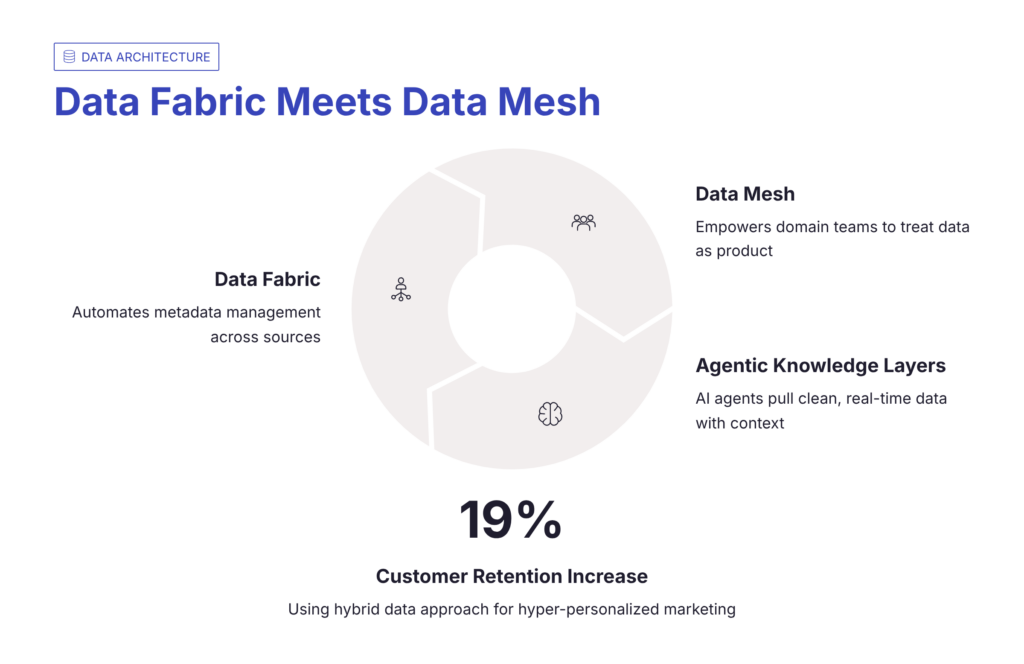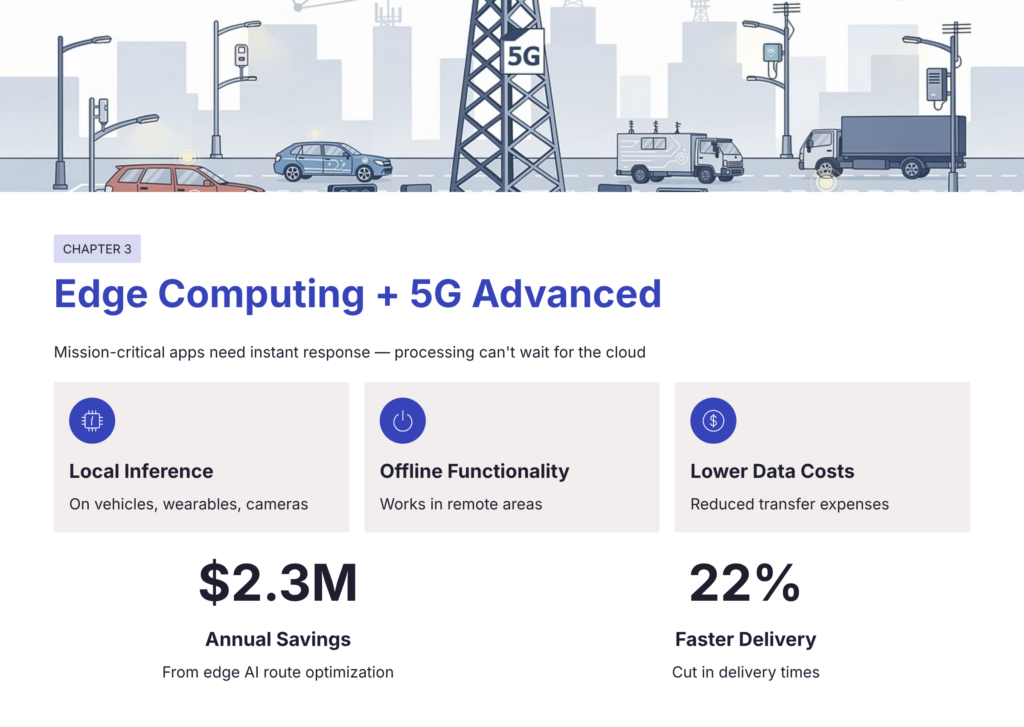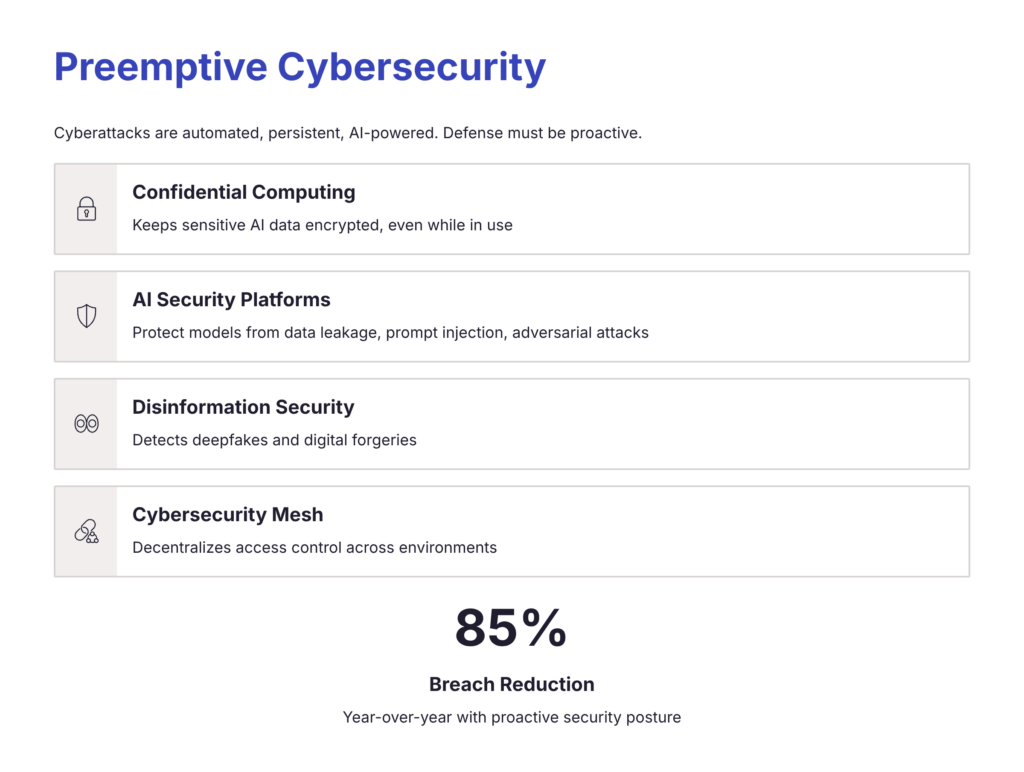
By 2026, legacy application modernization has moved from a long-term IT initiative to an immediate business survival requirement. The global outages of July 2024 exposed a harsh reality: outdated, tightly coupled systems are not just inefficient — they are systemic risks. Enterprises that relied on monolithic architectures and brittle infrastructure experienced cascading failures, while organizations that had already invested in cloud-native, modular platforms demonstrated resilience, rapid recovery, and operational continuity.
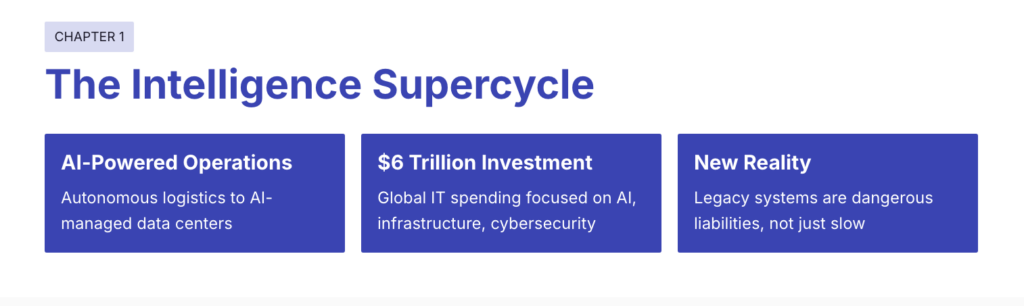
For technology leaders, this moment marked the beginning of what many now call the great legacy reckoning. Legacy systems are no longer a neutral inheritance from the past; they function as an unseen mortgage on innovation, agility, and AI adoption. Modernization is no longer about cost optimization alone — it is about removing architectural barriers that prevent enterprises from competing in an AI-driven, real-time digital economy.
At Gart Solutions, we observe this shift across industries daily. Companies that modernize strategically unlock resilience, faster innovation cycles, and the ability to scale AI initiatives with confidence. Those that delay face compounding technical debt, rising operational costs, and shrinking strategic options.
Legacy Systems as a Business Constraint, Not a Technical Problem
Legacy applications are typically defined by monolithic design, aging codebases, and infrastructure assumptions that predate cloud computing. While many of these systems still function, they consume a disproportionate share of IT budgets — often between 60% and 80% — leaving little room for innovation. At the same time, the talent required to maintain legacy stacks is becoming scarce and expensive, with compensation for niche skills increasing sharply year over year.
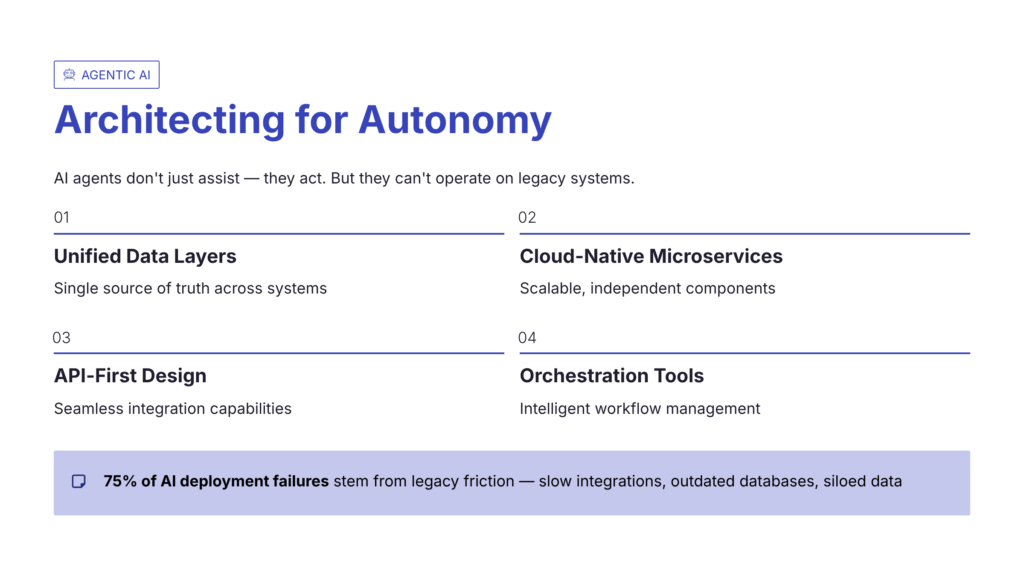
More critically, legacy architectures block modern capabilities. Artificial intelligence, real-time analytics, event-driven systems, and autonomous agents all require API-first design, elastic infrastructure, and high-quality data pipelines. Legacy systems, built around batch processing and tightly coupled logic, cannot meet these demands without structural change.
This is why modernization must be framed as a business transformation initiative, not a backend refactor. The goal is not simply to make old systems cheaper to run, but to restore strategic velocity.
The Multi-Dimensional Nature of Technical Debt
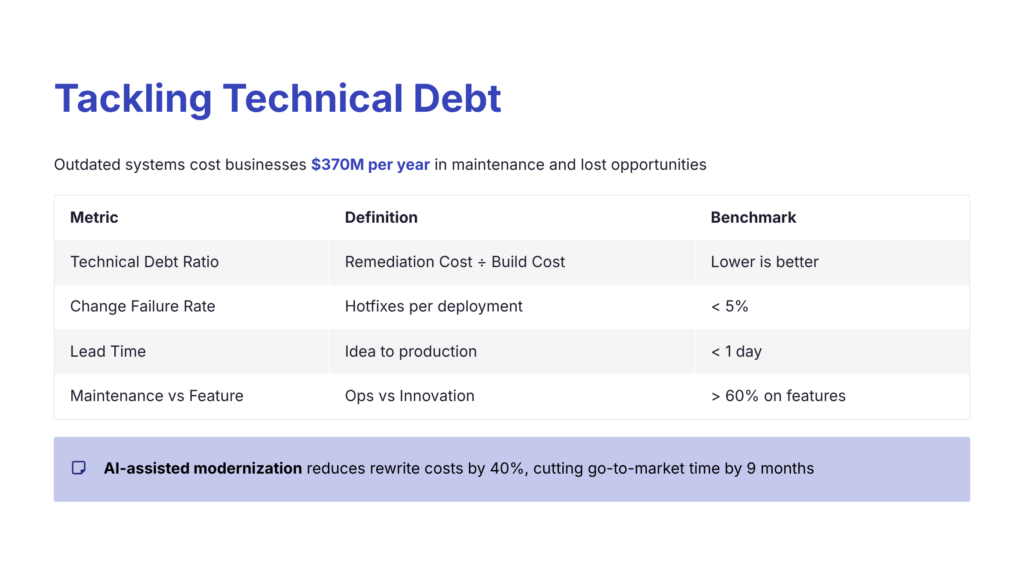
Technical debt in 2026 is best understood as a multi-layered risk that affects operations, security, compliance, and long-term growth. It is no longer confined to poorly written code; it spans architecture, infrastructure, data, and organizational processes.
Architectural debt manifests as tightly coupled monoliths that cannot scale or evolve independently. Code debt appears as undocumented logic that increases regression risk with every change. Infrastructure debt locks organizations into static, manually provisioned environments that cannot leverage cloud elasticity. Security debt exposes enterprises to regulatory violations and cyber threats. Data debt, perhaps the most underestimated, prevents organizations from extracting value through AI and advanced analytics.
Unmanaged technical debt directly slows delivery. Engineering teams routinely spend 20% to 40% of their time compensating for legacy constraints, while organizations with unresolved architectural debt experience significant delays in AI adoption due to data and platform limitations.
Modernization begins by quantifying this debt, translating it into financial, operational, and risk-based metrics that executives can act upon.
DevOps as the Engine of Legacy Application Modernization
From a DevOps perspective, modernization is the replacement of fragile, manual processes with automated, repeatable delivery systems. Legacy environments typically rely on sequential SDLC models, long release cycles, and environment inconsistencies that make every deployment a risk event.
Modern DevOps practices collapse these silos by embedding automation, feedback, and shared responsibility across the lifecycle. Continuous Integration and Continuous Delivery pipelines become the backbone of this transformation.
CI/CD acts as a technical debt payoff engine. Automated testing, security scanning, and validation identify defects early, reducing stabilization phases and lowering failure rates. Infrastructure as Code complements this by ensuring that environments are consistent, auditable, and reproducible across development, staging, and production.
Equally important is cultural alignment. DevOps maturity requires moving from blame-driven incident response to shared ownership of reliability and performance. Organizations that invest in this cultural shift experience significantly fewer disruptions during modernization and achieve faster, safer releases.
Cloud-Native Evolution: Beyond Lift-and-Shift
Cloud adoption is often mistaken for modernization. Simply moving a legacy application to cloud infrastructure without architectural change — a lift-and-shift approach — frequently results in higher costs and minimal agility gains. This phenomenon, sometimes called modernization theater, delivers none of the cloud’s true advantages.
Effective modernization aligns with one of the established cloud migration strategies, often described as the 7 R’s. These range from rehosting and replatforming to full refactoring, repurchasing SaaS solutions, retaining or retiring systems, and relocating virtualized environments.
Choosing the right strategy requires balancing speed, risk, and long-term value. In practice, most enterprises apply multiple strategies across their application portfolio, prioritizing high-impact systems for deeper transformation while handling lower-value workloads pragmatically.
Containerization and Kubernetes as a Modernization Layer
Containerization plays a pivotal role in decoupling applications from legacy infrastructure. By packaging applications with their runtime dependencies, containers provide consistency across environments and enable gradual modernization without full rewrites.
Kubernetes adds orchestration, enabling dynamic scaling, self-healing, and automated deployment. This is particularly valuable for legacy workloads with unpredictable demand patterns. When paired with cost-optimization mechanisms such as spot instances, containerized platforms can dramatically reduce infrastructure spend while improving reliability.
At Gart Solutions, we regularly see containerization serve as a bridge between legacy systems and cloud-native architectures, enabling incremental progress without operational disruption.
Digital Transformation and the AI Imperative
In 2026, digital transformation is inseparable from artificial intelligence. Yet most AI initiatives fail to scale because the underlying systems were never designed to support them. Legacy platforms silo data, lack real-time access, and cannot integrate cleanly with modern models.
Modernization is therefore the prerequisite for AI at scale. It enables API-driven access, event-based data flows, and the observability required for trustworthy automation.
AI is also transforming the modernization process itself. Large Language Models can analyze massive legacy codebases to extract business logic, generate documentation, and identify refactoring candidates. However, successful organizations treat AI as an assistant, not an autonomous decision-maker. Human governance remains essential to ensure correctness, security, and compliance.
Looking ahead, enterprises are moving toward agentic architectures, where autonomous agents collaborate with humans to execute business processes. Without a modernized core — particularly ERP and data platforms — these initiatives deliver minimal business impact.
Incremental Modernization Patterns That Actually Work
One of the most common modernization failures is the big-bang rewrite. Large-scale replacements promise clean architectures but often collapse under their own complexity.
Modern enterprises favor incremental patterns such as the Strangler Fig approach, where new services gradually replace legacy functionality behind a proxy or API gateway. This allows organizations to deliver value continuously, validate changes in production, and reduce risk.
Composable architecture builds on this idea by decomposing systems into modular business capabilities that can evolve independently. This approach creates long-term resilience and positions the organization for continuous change rather than episodic transformation.
Data Modernization: Preparing for Intelligence at Scale
Data is the fuel of digital transformation, yet it is often the hardest component to modernize. Legacy data is frequently locked in outdated schemas, proprietary formats, or batch-oriented pipelines.
Modernization requires more than migration. Data must be cleansed, validated, enriched with metadata, and made accessible through real-time pipelines. Zero-downtime strategies such as change data capture and parallel replication allow enterprises to modernize without disrupting critical operations.
By 2026, data platforms are expected to be agent-ready, providing clear lineage, governance, and context so that AI systems can operate safely and effectively.
Industry-Specific Realities
Modernization outcomes vary by sector. In healthcare, compliance, interoperability, and patient safety drive priorities. In banking and fintech, resilience and real-time processing are critical to competing with digital-native challengers. In GreenTech and environmental monitoring, platform engineering and global scalability define success.
Across all sectors, the common thread is the need for architectures that can evolve continuously while meeting regulatory and operational constraints.
Measuring ROI and Overcoming Common Pitfalls
Modernization requires investment, but the cost of inaction is often higher. Successful programs track ROI across infrastructure savings, delivery velocity, security posture, and business outcomes such as customer experience and revenue growth.
Most failures stem from predictable pitfalls: treating modernization as a purely technical effort, attempting all-or-nothing rewrites, ignoring data quality, underestimating skill gaps, or operating without real-time visibility.
Avoiding these mistakes requires executive alignment, phased delivery, and strong DevOps governance.
Governance, Security, and Compliance in Modernized Architectures
As legacy systems are decomposed and distributed, governance becomes more critical—not less. Modernization increases the number of components, APIs, data flows, and deployment pipelines. Without a strong governance model, organizations risk replacing monolithic fragility with distributed chaos.
From a security perspective, legacy environments often rely on perimeter-based defenses that assume trust within the network. Cloud-native modernization requires a zero-trust security model, where every request is authenticated, authorized, and observed regardless of origin.
Key modernization-aligned security principles include:
Identity-first architecture, using centralized identity providers and fine-grained access control
Secrets management through tools like Vault or cloud-native secret stores
Shift-left security, embedding vulnerability scanning and policy checks directly into CI/CD pipelines
Runtime protection and observability, ensuring threats are detected and mitigated in real time
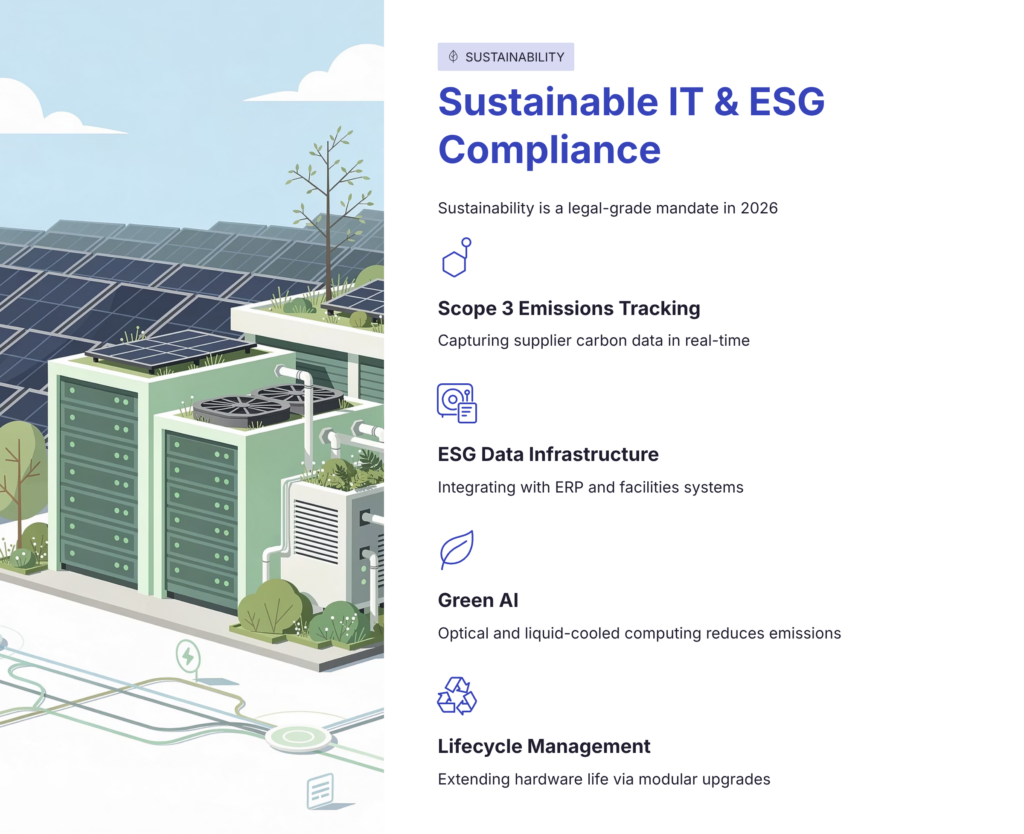
Compliance also changes shape. Instead of manual audits and static documentation, modern platforms enable compliance as code, where policies are enforced automatically and continuously. This approach dramatically reduces audit fatigue while increasing confidence in regulatory adherence across healthcare, fintech, and enterprise SaaS environments.
Platform Engineering: Scaling Modernization Beyond Individual Teams
As organizations modernize multiple systems in parallel, DevOps practices alone are not enough. This is where platform engineering emerges as a force multiplier.
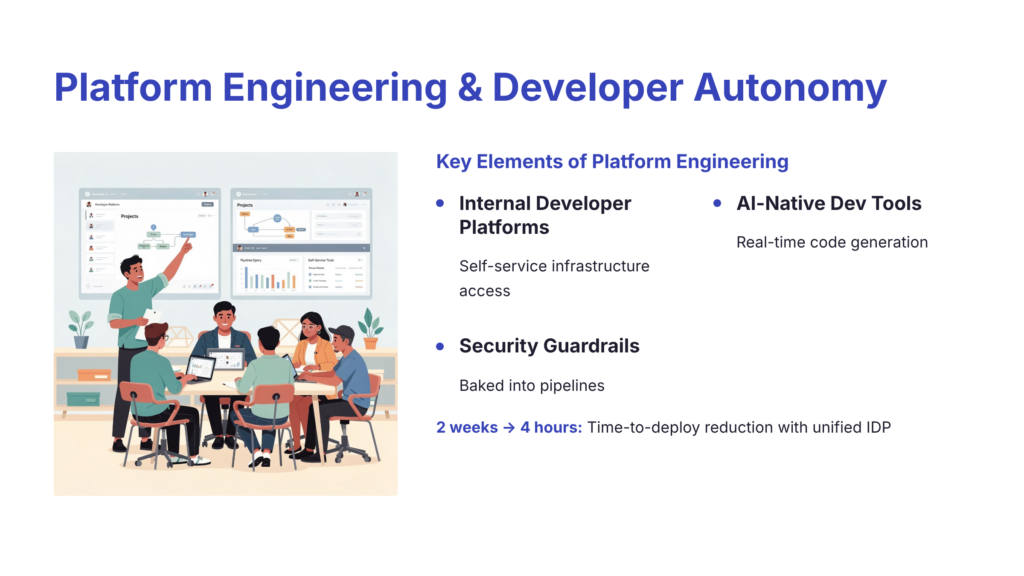
Platform engineering focuses on building internal developer platforms (IDPs) that abstract infrastructure complexity behind standardized, self-service interfaces. Rather than every team reinventing pipelines, environments, and deployment patterns, the platform provides opinionated defaults aligned with security, compliance, and cost-efficiency standards.
For legacy application modernization, platforms deliver three critical advantages:
Consistency: Every modernized service follows the same deployment, observability, and security patterns
Speed: Teams focus on business logic instead of infrastructure decisions
Scalability: Modernization efforts can scale across dozens of teams without losing control
At Gart Solutions, platform engineering is often the difference between isolated modernization success and organization-wide transformation, especially in regulated or fast-scaling industries.
Platform Engineering vs. DevOps in Modern Application Modernization
DimensionDevOpsPlatform EngineeringPrimary GoalImprove speed and reliability of software deliveryEnable teams to build, deploy, and operate software through a standardized internal platformCore FocusCI/CD automation, collaboration between Dev & OpsDeveloper experience (DevEx), abstraction of infrastructure complexityRole in ModernizationHelps modernize delivery pipelines for legacy and new appsProvides a scalable foundation to modernize multiple applications consistentlyOperating ModelShared responsibility across product teamsDedicated platform team serving internal product teamsLevel of AbstractionLow to medium – teams interact directly with tools and infraHigh – infrastructure and tooling exposed via self-service interfacesTooling ScopeCI/CD, config management, monitoring, IaCGolden paths, internal developer portals, opinionated stacksScalability for Large EnterprisesBecomes complex as number of teams and services growsDesigned to scale across dozens or hundreds of teamsImpact on Legacy SystemsImproves deployment and reliability of existing systemsEnables gradual modernization without disrupting legacy coresDeveloper ExperienceDepends heavily on team maturityCentralized, consistent, and optimized by designGovernance & StandardsOften implicit or team-definedBuilt-in governance, security, and complianceTime to ValueFast for individual teamsCompounding value across the organization over timeRisk in Modernization ProgramsTool sprawl, inconsistent practicesOver-engineering if platform is built without clear product mindsetBest Fit ForSmall–mid teams modernizing deliveryEnterprises modernizing at scaleRelationship Between ThemCultural and technical foundationEvolution and formalization of DevOps practices
Legacy Application Modernization Roadmapping
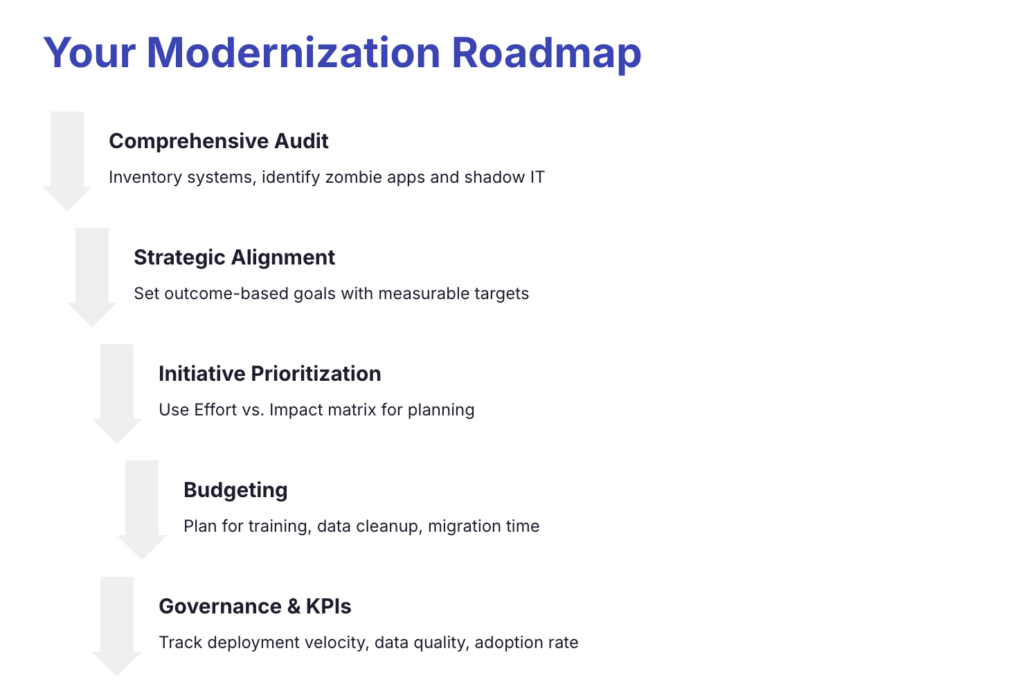
Successful legacy application modernization does not follow a fixed endpoint or a one-time transformation plan. Instead, it requires a living roadmap that evolves alongside business priorities, technology shifts, and organizational maturity.
The process begins with a clear assessment phase: understanding technical debt, architectural constraints, operational risks, and business criticality across systems. This is not merely a technical audit, but a strategic exercise that aligns applications with revenue streams, customer impact, compliance exposure, and future growth plans. Without this alignment, modernization efforts risk optimizing the wrong systems first.
From there, organizations move into incremental execution. Rather than large-scale rewrites, effective roadmaps prioritize gradual decoupling, API exposure, modularization, and cloud-native enablement where it creates measurable value. Modernization becomes a sequence of controlled steps—each delivering business outcomes, reducing risk, and enabling faster change.
Crucially, the roadmap must remain adaptive. Market conditions, regulatory requirements, and platform capabilities will change. A modernization program that cannot adjust its priorities becomes another form of legacy. The most resilient organizations treat modernization as a continuous capability, embedded into delivery cycles, funding models, and governance structures—not as a finite project with a fixed end date.
Legacy Application Modernization in the Age of Agentic AI
As agentic AI systems move from experimentation into production, the limitations of legacy architectures become increasingly visible. Autonomous agents rely on clean data access, predictable system behavior, real-time orchestration, and secure interfaces—conditions that tightly coupled, opaque legacy systems struggle to provide.
Modernization is therefore a prerequisite for meaningful AI adoption. Without service-based architectures, event-driven pipelines, and well-defined APIs, AI agents are constrained to surface-level automation rather than true decision-making or execution. Legacy systems may still store critical business logic, but without modernization, that logic remains inaccessible to intelligent systems.
In this context, modernization is not about replacing systems to “add AI later.” It is about restructuring the enterprise so AI can operate safely and effectively within it. This includes standardizing data models, improving observability, enforcing governance, and enabling fine-grained control over system actions—all essential for trustworthy autonomous behavior.
Organizations that modernize with agentic AI in mind gain a structural advantage. They are able to experiment faster, deploy AI-driven workflows responsibly, and scale intelligence across functions. Those that delay modernization may find that AI investments fail to deliver returns—not because the models are weak, but because the underlying systems were never designed to support autonomous operation.
Final Thoughts
Legacy application modernization is often justified through efficiency gains, cost reduction, or performance improvements. While these benefits are real, they undersell the true value of modernization in today’s environment. At its core, modernization is a form of strategic insurance.
Modernized systems provide optionality. They allow organizations to respond to regulatory changes, adopt new technologies, enter new markets, and withstand operational shocks without destabilizing the core business. They reduce dependency on fragile architectures and scarce skill sets, replacing them with adaptable platforms and repeatable practices.
In an era defined by rapid technological shifts and increasing automation, the cost of inaction grows silently. Systems that cannot evolve become strategic liabilities, limiting innovation and increasing risk over time. Modernization mitigates that risk by ensuring the organization remains structurally capable of change.
Ultimately, modernization is not about chasing trends or future-proofing in the abstract. It is about preserving decision-making power. Organizations that invest in modernization retain control over their technology trajectory—while those that delay increasingly have it dictated to them.
In a market driven by change, speed, and automation, small and mid-sized businesses (SMBs) can no longer rely on legacy systems or gut decisions. Digital transformation becomes a necessity. Whether you’re scaling a tech startup, modernizing operations, or simply trying to compete with digital-first rivals, one thing is clear: transformation is mandatory.
But here’s the tricky part — most digital transformation frameworks were built for enterprises, not the lean, fast-moving, budget-conscious world of SMBs. That’s where specialized consulting firms come in. They help you not just adopt new tech, but align it with your strategy, optimize operations, and unlock real business value.
In this guide, we’ll walk you through the best digital transformation consulting companies, especially those with a track record of helping SMBs and fast-growing companies achieve real ROI. We’ll start with our top 10 picks and wrap up with a table of 30 top-rated global providers.
What is Digital Transformation Consulting?
Let’s clear up the confusion — digital transformation isn’t just about “going paperless” or “moving to the cloud.” It’s not just building an app or revamping your website. True digital transformation is a fundamental rethinking of how your business operates, interacts with customers, delivers value, and competes in a fast-changing world.
A digital transformation consulting firm helps you plan, design, and execute this journey. Their role is not just technical — it’s strategic, operational, and cultural. They help you answer the big questions:
What does digital success look like for your business?
Where is your tech stack holding you back?
Which processes can be automated or optimized?
How do you adopt AI, cloud, or analytics without disrupting everything?
A great consulting partner will work with your team to:
Assess your digital maturity: What systems are outdated? What tools are siloed? Where’s the bottleneck?
Design a digital roadmap: This isn’t just about shiny tech. It’s about aligning transformation with your business model and goals.
Select and implement technology: From cloud platforms (like AWS, Azure, or GCP) to automation tools and custom software, they guide tech decisions that scale with your growth.
Modernize legacy systems: You don’t always need to scrap your entire stack — sometimes, smart modernization is the move.
Introduce data and analytics: So you’re not guessing, you’re making decisions backed by insights.
Support organizational change: Transformation isn’t just tech — it’s about people, mindset, and process.
Let’s clear this up: digital transformation isn’t just “getting on the cloud” or building an app. It’s a complete rethinking of how your business uses technology — from internal operations to customer interactions. Digital transformation consulting companies help businesses define that vision, build a roadmap, implement the right tech, and navigate the human side of change.
What does a digital transformation consultant actually do?
Audits current digital maturity
Builds a strategy and transformation roadmap
Guides cloud migration or hybrid architecture design
Optimizes DevOps, CI/CD, and IT processes
Modernizes legacy systems and workflows
Enhances customer experience via digital platforms
Introduces analytics, automation, and AI tools
And it’s not just about tech. In short, digital transformation consultants bridge the gap between vision and execution. They bring technical expertise, strategic clarity, and operational muscle — especially valuable for SMBs who don’t have internal innovation teams or massive IT departments.
Why SMBs and Startups Need Specialized Digital Consulting Partners
Let’s be honest — most small and mid-sized businesses don’t have millions to throw at consultants or 12 months to “wait and see results.” The average SMB needs ROI yesterday. That’s why traditional enterprise consultancies often miss the mark for this segment.
So, why can’t SMBs just go with a big-name firm?
They’re slow: Multi-year rollouts don’t work when you’re trying to survive Q2.
They’re expensive: SMBs can’t afford $500/hour consulting rates or multi-phase discovery projects with no deliverables.
They overbuild: Enterprise strategies often involve over-engineered solutions — when lean, agile options would do the trick.
They don’t speak SMB: Big firms often don’t understand the urgency, culture, or pace of smaller teams.
What do SMBs need instead?
✅ Quick WinsSmall changes that drive immediate value. That could be automating a workflow, reducing cloud costs, or launching a new customer-facing app. Consultants who specialize in SMBs focus on momentum, not just planning.
✅ Agility and FlexibilityYou need a partner who can pivot with you, scale services as you grow, and roll with your evolving priorities. SMB consultants embrace change — they don’t fear it.
✅ Right-Sized BudgetsYou want outcomes, not bloated project plans. The best consulting partners focus on ROI-first strategies, using open-source tools, efficient architectures, and creative solutions to stay lean.
✅ Strategic + Technical ExpertiseYou don’t just need someone to “install software.” You need someone who understands your business model, challenges, and growth goals — and builds tech to match.
✅ Long-Term ScalabilityThe tech you implement today should still serve you tomorrow. Smart consultants build systems and strategies that evolve as your company scales.
Bottom line? SMBs need partners — not vendors. The best digital transformation consulting firms for this market don’t just drop in and leave. They work with you, understand your goals, and evolve alongside your team.
Top 10 Digital Transformation Consulting Companies (2026)
1. Gart Solutions – Infrastructure-Led Transformation for SMBs
When it comes to SMB-friendly digital transformation, Gart Solutions sets the gold standard. This firm is all about practical, measurable transformation for SMBs and scaling companies. Unlike larger consulting giants, Gart doesn’t just hand you a 50-slide deck — they build, implement, and optimize.
If you’re an SMB or scale-up looking for a consulting partner that’s fast, focused, and doesn’t waste time— Gart Solutions should be at the top of your list. This boutique firm has quietly become the gold standard for cloud-native transformation and DevOps excellence.
What sets Gart apart isn’t just technical expertise — though they have plenty. It’s their "Quick Wins" methodology. While other firms are still hosting kickoff meetings, Gart is already optimizing your CI/CD pipeline or cutting your cloud costs. For budget-conscious SMBs that need real outcomes fast, this is a game-changer.
Their services cover:
CloudOps and multi-cloud architecture (AWS, Azure, GCP, Hetzner)
DevOps managed services
Infrastructure as Code (Terraform, Kubernetes)
Application modernization
Data and analytics enablement
One of their most impressive case studies? Helping a Thai jewelry manufacturer reduce cloud spend by 81% by replacing legacy video processing workflows with Azure Spot VMs and automated pipelines. Another? Building a disaster recovery setup for ESG platform Datamaran that cut downtime from days to minutes, ensuring 99.99% uptime.
They also specialize in turning technical debt into scalable infrastructure. Rather than ripping everything out, they help modernize legacy systems to meet today’s demands — affordably and fast.
Gart’s pricing is SMB-friendly ($50–$99/hr), but their delivery rivals firms 10x more expensive. With a senior team of fewer than 50 engineers, they offer high-touch, personalized service. You won’t get bounced between project managers — you’ll work directly with experts who understand your stack, your product, and your pressure to move fast.
Best for: SMBs, tech startups, or fast-growing scale-ups looking for agile, cloud-first infrastructure transformation without enterprise bloat.
2. Enfuse Group: Behavioral-Driven Digital Change
Let’s be real — not all transformation challenges are about tech. In fact, 60% of digital transformation projects fail due to people and culture issues, not the software. That’s why Enfuse Group, based in London, is one of the most unique and valuable consulting firms on this list.
Their core philosophy? “Digital transformation is a behavioral problem, not just a technical one.” This mindset drives everything they do.
Enfuse helps SMBs and mid-market firms redesign their operating models, employee experiences, and decision-making workflows — all through a lens of behavioral science. Their “BeHuman” methodology is a structured approach to change management, aligning teams, leadership, and tech adoption strategies.
They focus on:
Culture transformation and change readiness
People tech (HR systems, talent platforms)
Operating model redesign
Scalable AI-enabled process design
Employee experience optimization
Their work spans retail, hospitality, education, and logistics — sectors where frontline employees are often the missing link in failed tech projects. Post-2025, Enfuse has doubled down on employee-focused transformation after receiving investment from Agathos Capital. That means better tools, better support, and better ROI from every tech investment.
If your company struggles with “people bottlenecks” — poor communication, slow adoption, or digital fatigue — Enfuse offers a powerful, often overlooked path to progress.
Best for: SMBs with people-heavy operations (retail, logistics, education) that need cultural alignment and operating model redesign alongside tech modernization.
3. Artkai
When your product is complex, your industry is regulated, and your users expect Netflix-level experience — Artkai is the partner you call.
This Ukraine- and Poland-based firm leads with design and user experience, but don’t confuse that with “just UI.” Artkai blends product discovery, strategic consulting, and high-end engineering to deliver enterprise-grade digital platforms. What’s more impressive? They do it in sectors like fintech and healthtech, where compliance isn’t optional — it’s life-or-death.
Their specialty is working with companies that:
Have legacy platforms that need modernization
Operate in highly regulated environments (HIPAA, GDPR, PCI-DSS)
Want to align digital products with business strategy
Need platforms that scale without sacrificing UX
Artkai takes clients through a full-cycle transformation: from product ideation to scalable cloud architecture. And they do it with one goal — to future-proof your core platform while delivering a sleek, intuitive experience.
They’re not the cheapest option on this list, but the investment pays off when you consider that most SaaS churn is caused by poor UX or unclear value. Artkai helps you fix both.
Best for: Fintech, healthtech, or SaaS companies that need to modernize legacy products and deliver consumer-grade digital experiences.
4. Argano: AI-Driven Tech Stack for Growth
If your SMB is scaling fast and your current systems feel like they’re always playing catch-up, Argano might be your ideal transformation partner. Headquartered in Plano, Texas, Argano is a U.S.-based consultancy that has become known for its AI-forward, platform-agnostic approach to enterprise technology — and yes, they’re just as effective for mid-market companies.
What makes Argano stand out is their focus on designing and delivering connected business operations. This includes everything from ERP modernization to data intelligence, CRM upgrades, and embedded AI — all without forcing clients into one specific vendor ecosystem. Whether you’re running on Microsoft, Oracle, SAP, or a combination, Argano’s integration-first model makes it all work together.
Here’s what they specialize in:
ERP transformation and modernization
CRM and customer journey orchestration
AI-powered decision intelligence
Digital strategy alignment
Scalable cloud-native solutions
What SMBs love most is their “hands-on” model — the same experts stay with your project from start to finish. No bouncing between teams. This consistency leads to faster decisions, fewer surprises, and higher accountability — something larger firms often fail at.
Their deep industry focus spans healthcare, manufacturing, financial services, and retail — all spaces where operational complexity and compliance demand both tech sophistication and a practical delivery model.
And here’s a bonus: Argano’s combined legacy of multiple boutique firms means they’ve got over 100+ years of consulting depth, rolled into one modern delivery team.
Best for: Mid-market companies looking for full-stack transformation across ERP, CRM, and AI — without being locked into one tech provider.
5. Yalantis: IoT and Full Product Lifecycle Expertise
Need a consulting partner that goes beyond software — into hardware, IoT, and edge computing? Yalantis, based in Ukraine, is one of the few boutique consultancies that can handle the entire digital product lifecycle, from prototyping to scalable deployment.
Yalantis is built for businesses that straddle the digital-physical line: logistics platforms, health tech startups, manufacturing systems, and smart device innovators. In a world where sensors, mobile apps, cloud platforms, and APIs must work in harmony — they make it happen.
What makes Yalantis special?
Deep expertise in IoT architecture
Microservices-based software design
Real-time analytics and monitoring tools
Remote device control platforms
UX-first design for hardware-integrated software
They’ve grown rapidly, with a 54% annual growth rate, and now boast over 500 professionals delivering high-velocity engineering for global clients. Their client results include massive improvements in order processing speed, failed transaction reduction, and remote device management.
Yalantis doesn’t just build — they co-create. That means working alongside your team, defining product specs, refining UX, and ensuring regulatory compliance. For SMBs trying to create something complex without hiring a massive in-house dev team, this kind of hybrid expertise is invaluable.
Best for: Logistics, healthcare, and manufacturing SMBs building connected digital-physical systems, or launching smart products with IoT integration.
6. Sombra Inc: Hybrid AI Integration & Cloud Execution
Need to modernize both your infrastructure and integrate AI — without breaking the bank or derailing your operations? Sombra Inc offers one of the best hybrid transformation models on the market.
Founded in Ukraine and now operating globally (including North America), Sombra specializes in helping SMBs choose the right path between buying, building, or blending AI tools. Their 2026 “AI Playbook” outlines detailed cost comparisons — from SaaS models to full custom solutions — giving companies a transparent path to ROI.
Sombra’s services include:
Cloud architecture and migration
AI integration and API blending
Custom product development
Data warehousing and analytics
DevOps optimization
Where they really shine is in building “production-ready mini-stacks” — lightweight, scalable software systems complete with private endpoints, audit logs, and real-time data streaming. These solutions help clients deploy AI in live environments with minimal disruption and maximum value.
Their hybrid cloud and AI expertise is especially helpful for:
Fintech and healthtech startups
Logistics and operationally complex SMBs
Companies migrating from legacy tools to modern stacks
Sombra works lean, fast, and flexibly — a rare combo in the consulting world. And because they specialize in SMBs, they respect budgets, timelines, and internal resource limits.
Best for: SMBs seeking to blend AI with cloud modernization, and need a clear, affordable path to scale without overbuilding.
7. S-PRO: Fintech and Renewable Tech Specialists
For companies operating at the intersection of finance and innovation — especially in fintech, crypto, or renewables — S-PRO is a standout. Based in Ukraine with strong Swiss partnerships, S-PRO has carved out a niche building modern, scalable, and compliant platforms for some of the most regulated, fast-moving industries.
Key service areas include:
Fintech software development
DeFi and blockchain integration
ESG and sustainability tech
Wealth management solutions
Custom banking platform modernization
Their deep knowledge of the Swiss banking system, plus hands-on experience with crypto exchanges and next-gen payment infrastructure, gives them an edge few firms can match. They’ve helped clients like Hyposwiss and Amina Bank launch new products that comply with both traditional finance laws and emerging crypto regulations.
What SMBs love about S-PRO is their agile team structure. They don’t overstaff. Instead, they bring in the exact right mix of architects, developers, and strategists, build fast, and stay transparent.
If you’re in fintech or ESG-driven spaces and need a transformation partner that gets both the tech and regulatory landscape, S-PRO delivers.
Best for: Fintech startups, wealth platforms, crypto firms, and ESG-focused SMBs needing secure, scalable product development and transformation.
Runner-Ups & Niche Standouts Worth Watching
While the top 10 firms dominate across multiple SMB use cases, several high-performing runner-ups stand out for their specialization, innovation, or regional excellence. These companies may not be one-size-fits-all, but in the right context, they’re absolute game-changers.
Glorium Technologies
Headquartered in the US with R&D centers in Ukraine, Glorium focuses on healthtech, proptech, and custom platform development. They’re ideal for SMBs building digital products that need rapid scaling, HIPAA compliance, and seamless user experience. Glorium brings strong automation and MVP-launch capabilities, making them a solid choice for early-stage startups and post-seed companies looking to mature their tech stack without overbuilding.
Railsware
Railsware has a cult-like following among product-led startups, and for good reason. Known for its engineering-first culture and for building products like Calendly and BrightBytes, Railsware approaches transformation from a product strategy + analytics perspective. Their strength lies in helping SaaS firms and product-centric SMBs make better build-or-buy decisions and optimize internal tooling.
SoftServe
One of the giants in the Ukrainian ecosystem, SoftServe brings massive scale to AI, machine learning, cloud, and data engineering. While they mostly serve enterprise clients, SoftServe has flexible engagement models for high-growth SMBs and innovation teams inside larger firms. If your goals involve enterprise-grade AI, SoftServe delivers.
Xmethod
This Berlin-based firm is a rising star in the healthcare transformation scene, building MVPs using low-code/no-code tools. If you’re a digital health startup or SMB looking for rapid prototyping, telemedicine deployment, or compliance-ready patient engagement platforms — Xmethod is fast, affordable, and effective.
Softermii
Softermii is a Ukraine-based firm making waves in video-tech and healthcare. With proprietary tools like VidRTC, they’re helping healthcare and event platforms build scalable, real-time digital experiences. Their dedicated team model is perfect for SMBs that need a dev squad embedded into their workflow.
Comparison Table: Top 30 Digital Transformation Consulting Companies
Company NameKey StrengthsBest ForGart SolutionsCloud, DevOps, strategy, SMB-focusedSmall and mid-size tech firms, tech startups and scaleupsHexagon AgencyStrategy, marketing, UXSmall businessesGlorium TechnologiesCustom platforms, automationGrowth-stage startupsStrategic Consulting UAChange readiness, frameworksOrganizational alignmentN-iXAI, data, cloudCross-industry transformationSombra Inc.DevOps, modernizationInfrastructure transformationRailswareProduct strategy, analyticsSaaS, product-led teamsEleksEnterprise automationEnterprise-level transformationBCGStrategy + transformationFunded SMBs, enterprisesMcKinsey DigitalDesign thinking, agileHigh-budget initiativesAccentureInnovation labs, CXEnterprise consultingEPAM SystemsAgile, CX, engineeringLarge tech projectsSoftServeAI, cloud, analyticsInnovative SMBsAvengaCRM, healthcareRegulated industriesLuxoftAI, digital financeFintech, automotiveSigma SoftwareAI, AR/VR, engineeringAdvanced industriesIntelliasIoT, cloudMobility and tech projectsAltexSoftAnalytics, travel-techNiche SMBsDataArtFintech, healthcareRegulated sectorsIT SvitCloud-native, DevOpsInfrastructure upgradesInnovecsGaming, logisticsVertical-specific needsSoftengiRPA, digital twinsTech-heavy firmsZazmicProduct dev, growth opsStartupsYalantisUX, platformsCustomer-focused designDev.ProAgile teams, scalingMVP to enterprise growthTimsparkTeam extension, consultingFlexible staffingCiklumEngineering, product devDigital enterprise growthAndersenAgile, cloudHybrid transformationDigisDevOps, product blendMid-size tech firmsInfopulseCybersecurity, IT opsRisk-sensitive orgs
How to Choose the Right Digital Transformation Consulting Partner
1. Define Your Transformation Goals
Do you need strategy, tech enablement, or both?
Are you focused on cloud, DevOps, data, or UX?
Is this a full overhaul or incremental change?
2. Match Scope with Capabilities
Don’t hire enterprise firms for startup problems
Look for firms that understand your stage and industry
Seek right-size expertise
3. Look for Proof, Not Promises
Ask for case studies and results
Demand measurable metrics and success stories
Find partners who deliver outcomes, not just ideas
4. Prioritize Collaboration
Look for partners, not vendors
Culture fit and communication style are crucial
Make sure you’ll work well together under pressure
SMBs vs. Enterprises: Different Needs, Different Partners
SMBsEnterprisesLean budgetsLarger investmentsNeed fast ROILong-term strategyFlexible partnersStructured processesRequire tech + business helpHave internal strategy teamsComparison table of SMBs vs. Enterprises
SMBs should go for agile, cost-effective firms like Gart Solutions, Hexagon, or Glorium.
Why Gart Solutions is One of the Leaders
Gart Solutions combines strategy, tech, and implementation under one roof — without breaking your budget. They offer:
End-to-end transformation services
DevOps, cloud, and legacy modernization
Data and analytics frameworks
Custom roadmaps for SMBs
Affordable rates with enterprise-level results.
Gart is hands-on, strategic, and results-driven — perfect for ambitious SMBs.
The Future of Digital Transformation Consulting (2026–2030)
Digital transformation is no longer a one-time project. It’s a continuous journey, and the next few years will see even more disruptive shifts. Here’s where we’re headed:
1. AI-First Transformation
By 2030, nearly every SMB will need to embed AI into operations — not just for analytics, but for automation, personalization, and predictive decision-making. Consulting firms will shift from "digital advisors" to AI orchestrators — helping you buy, build, and train the right models.
2. Hyperautomation
Expect a rise in process orchestration platforms, where everything from onboarding to logistics can be automated end-to-end using RPA + AI + analytics. The best firms will build cross-functional automation maps, not just isolated tools.
3. Verticalization
Generic consulting is dead. SMBs want industry-specific insight — whether it's compliance in healthcare, customer journey mapping in fintech, or UX for SaaS onboarding. The top firms will specialize deeply in vertical problems.
4. Remote-First Execution
The best consulting firms will be remote-native, with async workflows, global teams, and 24/7 delivery cycles. This benefits SMBs that need speed without geographical limitations.
5. AI Compliance & Security by Design
As AI regulation grows, expect firms to prioritize explainability, data lineage, audit readiness, and zero-trust security models. Smart SMBs will choose consultants who can make them future-compliant — not just feature-rich.
Conclusion: Choose Smart, Transform Faster
Digital transformation isn't optional anymore — it’s mission-critical. But for SMBs, success doesn’t come from buzzwords or bloated roadmaps. It comes from finding the right partner — one who speaks your language, understands your pace, and builds tech that actually moves the needle.
Whether you need cloud migration, AI adoption, legacy system upgrades, or full-stack platform development, the firms listed here represent the best of 2026 — boutique powerhouses with the talent, tools, and mindset to help you transform with clarity, confidence, and speed.
Start small. Move smart. Measure everything.And above all — choose partners who make your growth their mission.
If you’re ready to reduce downtime, boost efficiency, and update legacy systems for the future — Gart Solutions is here to help you make that leap.
Whether you’re an SMB, needing guidance or a growth-stage company scaling your infrastructure, Gart Solutions’ Digital Transformation Consulting is targeting your sustainable growth.
Moving to the cloud is no longer just a trend; it's a crucial strategic decision. Businesses now understand that adopting cloud solutions is not a choice but a necessity to stay competitive, resilient, and adaptable in today's dynamic world.
The reasons for this increasing use of cloud services are practical and varied. They focus on four main goals: saving costs, scaling easily, being agile, and improving security.
Starting a cloud migration without a clear strategy can be overwhelming and expensive. This guide will help you create a successful plan for your cloud migration journey.
What is cloud migration?
Cloud migration involves transferring an organization's data, applications, and workloads from on-premises infrastructure to cloud platforms. Businesses adopt cloud solutions to achieve flexibility, scalability, and cost efficiency. According to the study, 93% of organizations cite scalability and cost savings as their primary motivations for migration. The shift reduces dependence on traditional IT investments, allowing companies to allocate resources more strategically.
Cloud migration lifecycle
The cloud migration lifecycle encompasses a series of phases, from assessment and planning to execution, monitoring, and optimization.
Common stages in the cloud migration lifecycle include:
1) Assessment and Discovery:
Assessing the existing IT landscape, identifying workloads and applications suitable for migration, and conducting a comprehensive analysis of dependencies, performance requirements, and compliance considerations.
2) Planning and Preparation:
Developing a detailed migration plan, defining migration strategies and priorities, estimating costs and resource requirements, and establishing governance and security frameworks to ensure a smooth migration process.
3) Migration Execution:
Executing the migration plan, including provisioning cloud resources, migrating data and applications, configuring networking and security policies, and validating functionality and performance in the cloud environment.
4) Post-Migration Testing and Validation:
Conducting thorough testing and validation to ensure that migrated workloads and applications meet performance, security, and compliance requirements in the cloud environment.
5) Optimization and Continuous Improvement:
Continuously monitoring and optimizing cloud resources, refining governance and security policies, and leveraging cloud-native services and automation tools to drive efficiency and innovation.
Here is a table outlining the steps involved in a cloud migration strategy
StepDescription1. Define ObjectivesClearly state the goals and reasons for migrating to the cloud.2. Assessment and InventoryAnalyze current IT infrastructure, applications, and data. Categorize based on suitability.3. Choose Cloud ModelDecide on public, private, or hybrid cloud deployment based on your needs.4. Select Migration ApproachDetermine the approach for each application (e.g., rehost, refactor, rearchitect).5. Estimate CostsCalculate migration and ongoing operation costs, including data transfer, storage, and compute.6. Security and ComplianceIdentify security requirements and ensure compliance with regulations.7. Data MigrationDevelop a plan for moving data, including cleansing, transformation, and validation.8. Application MigrationPlan and execute the migration of each application, considering dependencies and testing.9. Monitoring and OptimizationImplement cloud monitoring and optimize resources for cost-effectiveness.10. Training and Change ManagementTrain your team and prepare for organizational changes.11. Testing and ValidationConduct extensive testing and validation in the cloud environment.12. Deployment and Go-LiveDeploy applications, monitor, and transition users to the cloud services.13. Post-Migration ReviewReview the migration process for lessons learned and improvements.14. DocumentationMaintain documentation for configurations, security policies, and procedures.15. Governance and Cost ControlEstablish governance for cost control and resource management.16. Backup and Disaster RecoveryImplement backup and recovery strategies for data and applications.17. Continuous OptimizationContinuously review and optimize the cloud environment for efficiency.18. Scaling and GrowthPlan for future scalability and growth to accommodate evolving needs.19. Compliance and AuditingRegularly audit and ensure compliance with security and regulatory standards.20. Feedback and IterationGather feedback and make continuous improvements to your strategy.This table provides an overview of the key steps in a cloud migration strategy, which should be customized to fit the specific needs and goals of your organization.
Pre-migration preparation: analyzing your current IT landscape
Before your cloud migration journey begins, gaining a deep understanding of your current IT setup is crucial. This phase sets the stage for a successful migration by helping you make informed decisions about what, how, and where to migrate.
Assessing Your IT Infrastructure:
Inventory existing IT assets: List servers, storage, networking equipment, and data centers.
Identify migration candidates: Note their specs, dependencies, and usage rates.
Evaluate hardware condition: Decide if migration or cloud replacement is more cost-effective.
Consider lease expirations and legacy system support.
Application Assessment:
Catalog all applications: Custom-built and third-party.
Categorize by criticality: Identify mission-critical, business-critical, and non-critical apps.
Check cloud compatibility: Some may need modifications for optimal cloud performance.
Note dependencies, integrations, and data ties.
Data Inventory and Classification:
List all data assets: Databases, files, and unstructured data.
Classify data: Based on sensitivity, compliance, and business importance.
Set data retention policies: Avoid transferring unnecessary data to cut costs.
Implement encryption and data protection for sensitive data.
Based on assessments, categorize assets, apps, and data into:
Ready for Cloud: Suited for migration with minimal changes.
Needs Optimization: Benefit from pre-migration optimization.
Not Suitable for Cloud: Better kept on-premises due to limitations or costs.
These preparations ensure a smoother and cost-effective migration process.
Choose a cloud model
After understanding cloud deployment types, it's time to shape your strategy. Decide on the right deployment model:
Public Cloud: For scalability and accessibility, use providers like AWS, Azure, or Google Cloud.
Private Cloud: Ensure control and security for data privacy and compliance, either on-premises or with a dedicated provider.
Hybrid Cloud: Opt for flexibility and workload portability by combining on-premises, private, and public cloud resources.
Multi-Cloud: Multi-cloud refers to the use of multiple cloud providers to host different workloads and applications. Organizations adopt a multi-cloud strategy to mitigate vendor lock-in, enhance redundancy and fault tolerance, and optimize costs by leveraging the
Choose from major providers like AWS, Azure, Google Cloud, and others.
Read more: Choosing the Right Cloud Provider: How to Select the Perfect Fit for Your Business
Your choices impact migration success and outcomes, so assess needs, explore options, and consider long-term scalability when deciding. Your selected cloud model and provider shape your migration strategy execution and results.
Key cloud migration strategies
With your cloud model and provider(s) in place, the next critical step in your cloud migration strategy is to determine the appropriate migration approach for each application in your portfolio. Not all applications are the same, and selecting the right approach can significantly impact the success of your migration.
Here are the five common migration approaches and how to choose the appropriate one based on application characteristics:
Lift and Shift (Rehost)
Also known as rehosting, this is the simplest migration approach. Applications and workloads are moved to the cloud without modifications to their architecture. While cost-effective, it often requires post-migration optimization to harness the full benefits of the cloud. For example:
Rehosting involves moving an application to the cloud with minimal changes. It's typically the quickest and least disruptive migration approach. This approach is suitable for applications with low complexity, legacy systems, and tight timelines.
Cost Savings: Organizations pay only for what they use, reducing idle resources.
Time Efficiency: Applications can be migrated quickly, enabling businesses to explore cloud capabilities with minimal disruption.
When to Choose: Opt for rehosting when your application doesn't require significant changes or when you need a quick migration to take advantage of cloud infrastructure benefits.
Refactor (Lift Tinker and Shift)
Refactoring involves making significant changes to an application's architecture to optimize it for the cloud. This approach is suitable for applications that can benefit from cloud-native features and scalability, such as microservices or containerization.
When to Choose: Choose refactoring when you want to modernize your application, improve performance, and take full advantage of cloud-native capabilities.
Rearchitect (Rebuild)
Re-architecting involves rebuilding applications to exploit cloud-native features fully. It is ideal for:
Applications reliant on legacy technologies.
Organizations aiming for significant agility and innovation.
Handling data-intensive tasks through scalable hybrid cloud architectures.
Rearchitecting is a complete overhaul of an application, often involving a rewrite from scratch. This approach is suitable for applications that are outdated, monolithic, or require a fundamental transformation.
When to Choose: Opt for rearchitecting when your application is no longer viable in its current form, and you want to build a more scalable, resilient, and cost-effective solution in the cloud.
Replace or Repurchase (Drop and Shop)
Typically, solutions are implemented using the best available technology. SaaS applications may offer all needed functionality, allowing for future replacement and easing the transformation process.
Replatform (Lift, Tinker, and Shift)
This strategy involves making minimal changes to optimize the application for cloud environments. It enables organizations to:
Leverage managed services.
Scale resources dynamically, such as adjusting CPU throughput or reserving instances.
Discard legacy components while modernizing infrastructure.
Replatforming involves making minor adjustments to an application to make it compatible with the cloud environment. This approach is suitable for applications that need slight modifications to operate efficiently in the cloud.
When to Choose: Choose replatforming when your application is almost cloud-ready but requires a few tweaks to take full advantage of cloud capabilities.
Retire (Eliminate)
Retiring involves decommissioning or eliminating applications that are no longer needed. This approach helps streamline your portfolio and reduce unnecessary costs.
When to Choose: Opt for retirement when you have applications that are redundant, obsolete, or no longer serve a purpose in your organization.
Retain
To select the right migration approach for each application, follow these steps:
Assess each application's complexity, dependencies, and business criticality. Consider factors like performance, scalability, and regulatory requirements.
Ensure the chosen approach aligns with your overall migration goals, such as cost savings, improved performance, or innovation.
Assess the availability of skilled resources for each migration approach. Some approaches may require specialized expertise.
Conduct a cost-benefit analysis to evaluate the expected return on investment (ROI) for each migration approach.
Consider the risks associated with each approach, including potential disruptions to operations and data security.
Ready to harness the potential of the cloud? Let us take the complexity out of your migration journey, ensuring a smooth and successful transition.
Challenges in cloud migration
Despite its advantages, cloud migration comes with challenges:
Integration Complexity: Legacy systems often rely on proprietary formats, making seamless integration with cloud platforms challenging.
Data Security: Ensuring compliance with regional regulations and implementing robust encryption is critical.
Performance Optimization: Addressing latency, data transfer speeds, and workload distribution is essential for a successful migration.
For instance, businesses leveraging Platform as a Service (PaaS) benefit from streamlined operations but must manage compatibility issues with legacy systems.
Security and compliance in cloud migration
When you're thinking about moving to the cloud, security should be at the top of your mind. Think about it – you're dealing with massive amounts of data, and some of it might be pretty sensitive stuff. If something goes wrong and there's a security breach, it's not just about losing data – your organization's reputation could take a serious hit, and you might find yourself in hot water legally.
One of the biggest challenges is making sure only the right people can get their hands on your cloud resources. You definitely don't want unauthorized users poking around in there, as that's basically leaving the door open for data leaks and security nightmares.
And here's something you can't afford to overlook – compliance. Whether you're in healthcare dealing with HIPAA, handling credit card data under PCI DSS, or working with European customers under GDPR, there are some serious rules you need to follow. Skip these requirements, and you could be looking at hefty fines and legal troubles. Trust me, that's not a headache anyone wants to deal with.
Here's a short case study for HIPAA compliance - CI/CD Pipelines and Infrastructure for an E-Health Platform
Cloud migration success stories
When considering cloud migration, success stories often serve as beacons of inspiration and guidance. Here, we delve into three real-life case studies from Gart's portfolio, showcasing how our tailored cloud migration strategies led to remarkable outcomes for organizations of varying sizes and industries.
Case Study 1: Migration from On-Premise to AWS for a Financial Company
Industry: Finances
Our client, a major player in the payment industry, sought Gart's expertise for migrating their Visa Mastercard processing application from On-Premise to AWS, aiming for a "lift and shift" approach. This move, while complex, offered significant benefits.
Key Outcomes:
Cost Savings: AWS's pay-as-you-go model eliminated upfront investments, optimizing long-term costs.
Scalability and Flexibility: Elastic infrastructure allowed resource scaling, ensuring uninterrupted services during peak periods.
Enhanced Performance: AWS's global network reduced latency, improving user experience.
Security and Compliance: Robust security features and certifications ensured data protection and compliance.
Reliability: High availability design minimized downtime, promoting continuous operations.
Global Reach: AWS's global network facilitated expansion to new markets and regions.
Automated Backups and Disaster Recovery: Automated solutions ensured data protection and business continuity.
This migration empowered the financial company to optimize operations, reduce costs, and deliver enhanced services, setting the stage for future growth and scalability.
Case Study 2: Implementing Nomad Cluster for Massively Parallel Computing
Industry: e-Commerce
Our client, a software company specializing in Earth modeling, faced challenges in managing parallel processing on AWS instances. They sought a solution to separate software from infrastructure, support multi-tenancy, and enhance efficiency.
Key Outcomes:
Infrastructure Efficiency: Infrastructure-as-Code and containerization simplified management.
High-Performance Computing: HashiCorp Nomad orchestrates high-performance computing, addressing spot instance issues.
Vendor Flexibility: Avoided vendor lock-in with third-party integrations.
This implementation elevated infrastructure management, ensuring scalability and efficiency while preserving vendor flexibility
Future trends of cloud migration
The evolution of cloud computing will continue to redefine business strategies. Emerging trends include:
Green IT: Sustainable cloud solutions aim to balance scalability with energy efficiency.
AI Integration: Leveraging artificial intelligence in cloud platforms enhances automation and decision-making processes.
At Gart, we stand ready to help your organization embark on its cloud migration journey, no matter the scale or complexity. Your success story in the cloud awaits – contact us today to turn your vision into reality.