Let’s be honest: the term “AI infrastructure” gets thrown around way too loosely. Every company claims to offer it, every platform says they do it, and every startup feels they need it. But the truth? Most businesses don’t fully understand what AI infrastructure really involves — let alone who to trust to build it. With […]
It’s 2026, and IT modernization is no longer a nice-to-have — it’s survival. Remember the early 2010s when companies were busy “going digital”? That era is officially over. We’re now deep in what experts call the “Intelligence Supercycle” — a time when AI doesn’t just support operations but runs them. From autonomous logistics to AI-managed […]
As businesses expand, the management of IT infrastructure becomes increasingly burdensome and expensive. IT infrastructure encompasses multiple components, including applications and data centers. To ensure smooth operations, IT infrastructure needs to be provisioned, configured, and integrated with various processes. However, relying on manual handling of these tasks introduces the risk of human errors and leads […]
The financial technology (FinTech) industry isn’t what it used to be. Gone are the days of scaling at all costs, fuelled by endless VC funding. Welcome to 2026 — a world where performance, resilience, and compliance define success. Today, FinTechs demand DevOps pipelines that can ship code fast and securely, cloud infrastructure that bends without […]
The strategic landscape for healthcare technology organizations in 2026 is defined by a In 2026, healthcare technology organizations are reassessing long-standing infrastructure decisions, particularly around PostgreSQL HIPAA compliance and the sustainability of managed cloud databases. For over a decade, managed services—most notably AWS Relational Database Service (RDS)—have been positioned as the default option for safeguarding […]
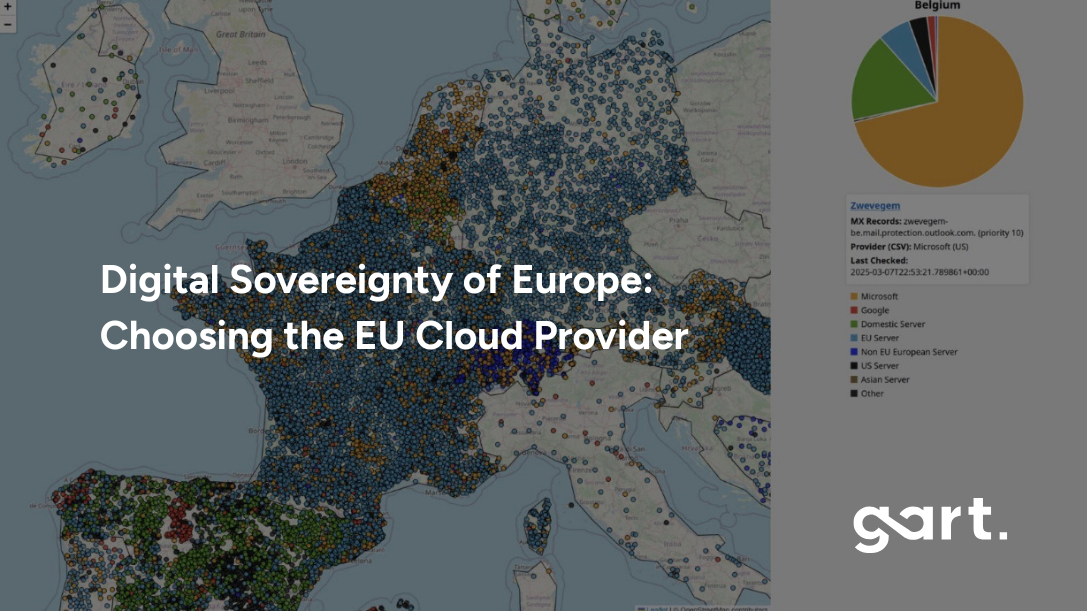
What defines real compliance in 2026 is sovereignty — who legally controls your infrastructure, who holds the cryptographic keys, who operates your systems, and which jurisdiction ultimately governs access to your data. European organizations can host data in Frankfurt, Paris or Stockholm — and still remain exposed to non-EU authorities. That is why digital sovereignty […]